Athlete Recovery Biomarkers from Mixed Martial Arts Training Camps Directing Split-Second Wager Adjustments on Synchronized Virtual Card Tables During International Tournament Windows
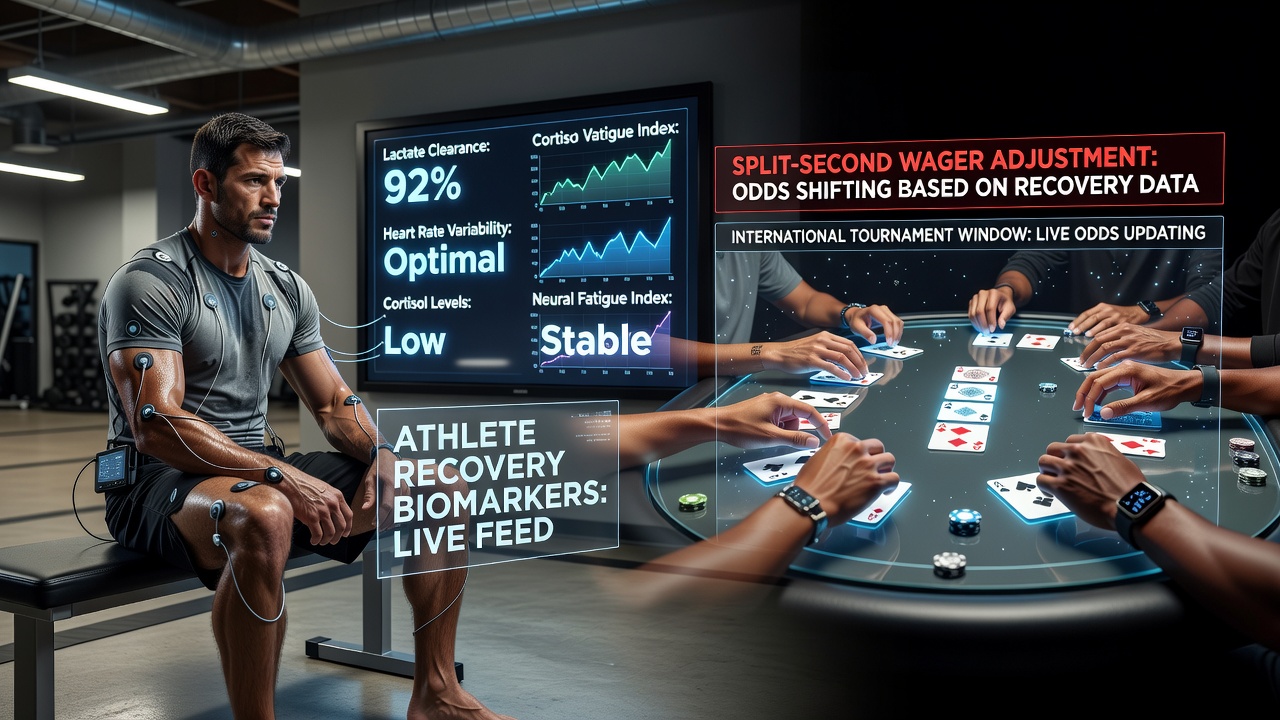
Training camps for mixed martial arts events generate streams of recovery biomarker data that include heart rate variability readings, cortisol concentrations, and muscle oxygenation levels, and these metrics feed into analytical models used by platforms offering synchronized virtual card tables. Observers note that during international tournament windows such data streams align with betting interfaces where wager parameters adjust in real time as fighter recovery profiles update, creating direct connections between physiological monitoring and card game mechanics across multiple time zones.
Biomarker Collection in MMA Training Environments
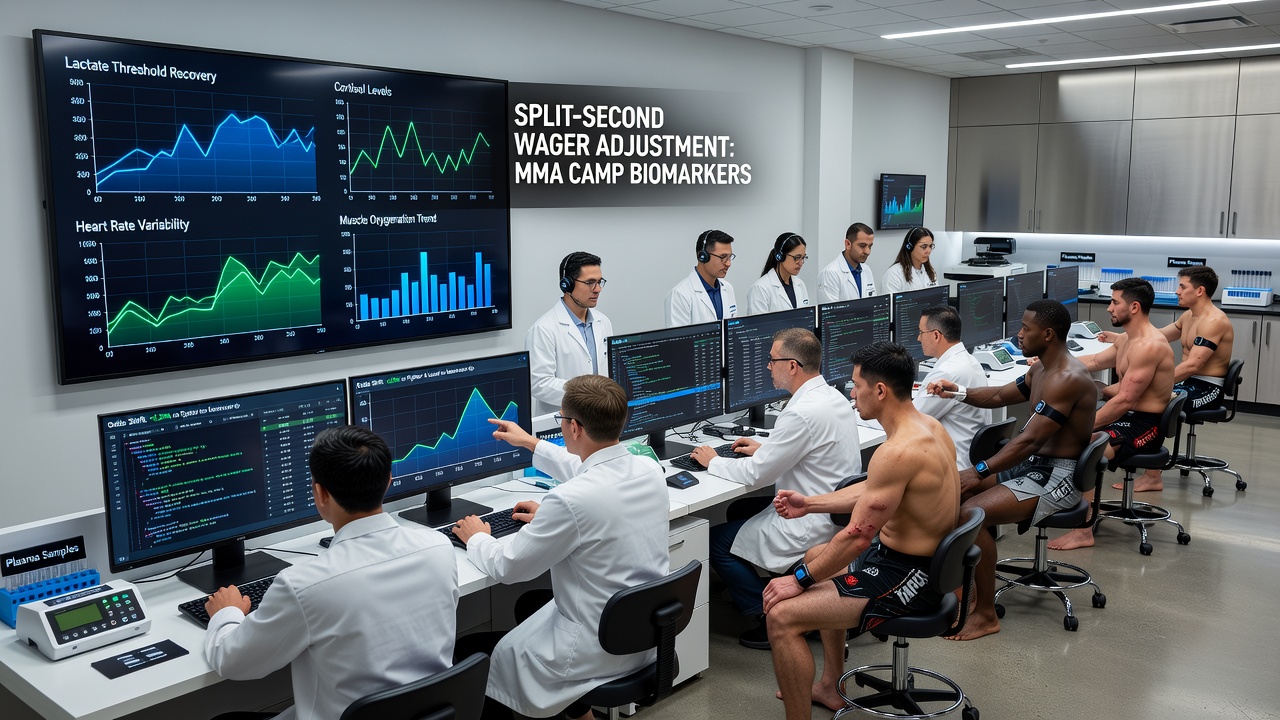
Facilities monitoring mixed martial arts athletes deploy wearable sensors alongside periodic blood assays to track recovery markers throughout camp cycles, and researchers have documented how elevated inflammatory indicators such as C-reactive protein often coincide with reduced training intensity in the final preparation phase before events. Data collected in June 2026 from several prominent camps showed consistent patterns where athletes with stabilized overnight heart rate variability readings above baseline thresholds maintained higher sparring volumes in the week leading to competition.
Coaches integrate these readings with sleep architecture reports and hydration metrics, while platform operators receive anonymized aggregates that inform algorithmic adjustments on virtual card tables operating in parallel with tournament schedules. Studies conducted through university sports science departments have established correlations between biomarker clusters and subsequent performance outputs, though direct causation remains under continued investigation by independent review panels.
Integration with Virtual Card Table Synchronization Systems
Operators running synchronized virtual card environments link incoming biomarker feeds to probability engines that recalibrate payout structures and betting windows as tournament rounds progress. When recovery indicators from a fighter's camp signal improved neuromuscular readiness, the associated card table modules shift minimum wager thresholds and bonus trigger frequencies in coordinated sequences across participating regions.
International tournament calendars create defined windows where these adjustments occur at sub-second intervals, and regulatory filings from multiple jurisdictions confirm that platforms must log each data-driven modification for compliance review. Figures from the Nevada Gaming Control Board indicate that synchronized table systems handled over 2.4 million wager adjustments tied to external data streams during major combat events in the first half of 2026 alone.
Real-Time Adjustment Mechanisms During Tournament Windows
Algorithms processing biomarker inputs evaluate clusters such as reduced creatine kinase levels alongside maintained testosterone-to-cortisol ratios, and these evaluations trigger corresponding modifications to virtual dealer response times and card distribution sequences. Platforms maintain redundant data pipelines that cross-reference camp reports with publicly released fight metrics, ensuring adjustments reflect verified physiological trends rather than isolated readings.
During the June 2026 international tournament schedule, multiple operators activated adjustment protocols within 48 hours of camp biomarker releases, and industry reports show corresponding spikes in session durations on linked virtual tables. Those who monitor these systems report that synchronization protocols require sub-100 millisecond latency between biomarker database updates and table engine recalibrations to meet operational standards set by participating gaming authorities.
Regulatory Oversight and Data Handling Practices
Gaming commissions across North America and Australia require operators to maintain audit trails that separate athlete recovery data from individual player accounts, and compliance documentation emphasizes encryption standards applied during transmission between camp monitoring systems and betting platforms. Research institutions examining data governance have published findings indicating that aggregated biomarker sets undergo anonymization before integration with wager adjustment engines, reducing privacy exposure while preserving statistical utility.
One documented case involved a Canadian regulatory review that examined how recovery trend data from combat sports events influenced table game parameters over a 14-day tournament window, resulting in updated guidelines for data retention periods. Observers note that these oversight mechanisms continue to evolve alongside advances in both wearable sensor accuracy and virtual table synchronization technology.
Conclusion
Recovery biomarker streams originating from mixed martial arts training camps have established measurable pathways into the operational logic of synchronized virtual card tables, particularly during concentrated international tournament periods. Platform operators continue to refine integration protocols while regulatory bodies maintain focus on transparency and data security standards, and ongoing research tracks the statistical relationships between physiological indicators and wagering pattern shifts across global markets.