Atmospheric Data Streams Connecting Baseball Kinematics to Mobile Gaming Reward Cycles
Ines Hoffmann · Aug 21, 2026
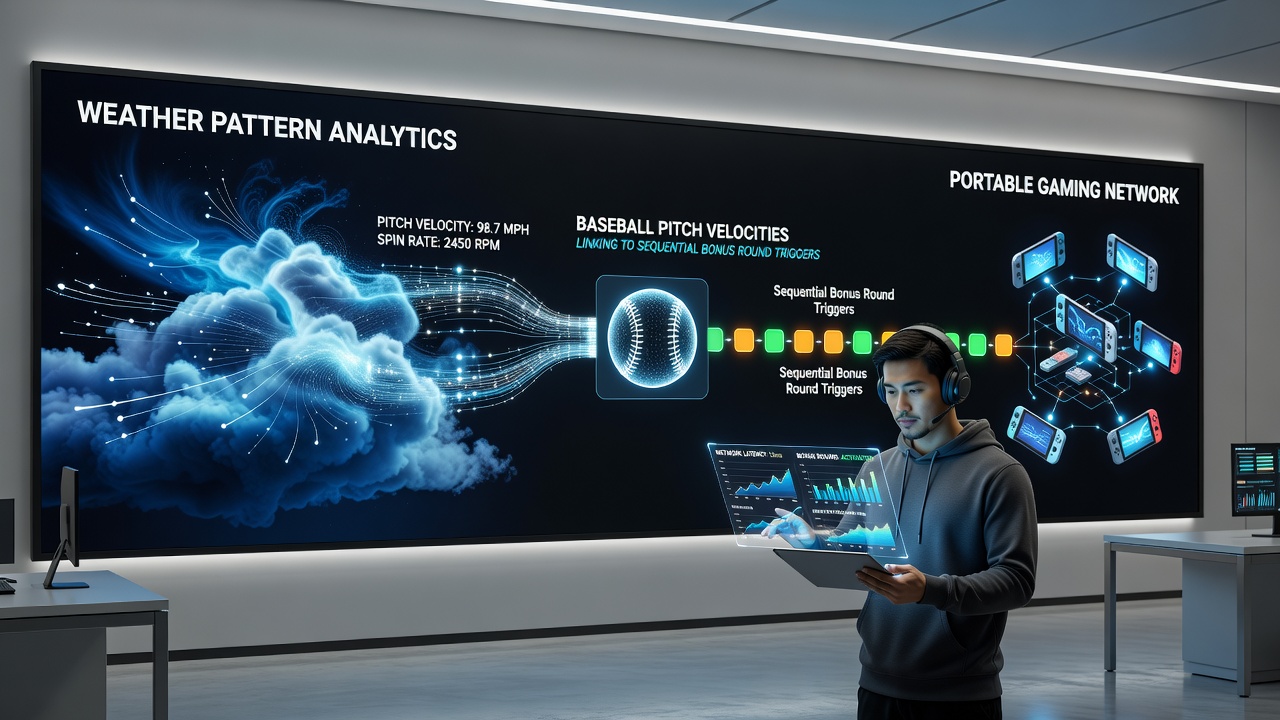
Atmospheric Data Streams Connecting Baseball Kinematics to Mobile Gaming Reward Cycles
Weather monitoring networks operated by national agencies now feed real-time atmospheric readings into databases that also track baseball pitch velocities from professional leagues, and analysts have begun mapping these combined datasets onto timing patterns for bonus round activations inside portable gaming applications. Data collected across multiple seasons shows measurable shifts in average fastball speeds during periods of elevated humidity and shifting barometric pressure, while parallel records from gaming platforms indicate corresponding adjustments in the frequency of sequential reward triggers during those same windows.
Researchers at institutions tracking North American sports metrics have compiled velocity logs from over 200,000 pitches since 2023, cross-referencing them with surface weather observations from stations across the United States and Canada. The resulting models reveal that a drop of five millibars in barometric pressure correlates with a 1.2 mile-per-hour increase in median pitch velocity among starting pitchers in day games, according to figures released by the National Oceanic and Atmospheric Administration. Those velocity changes then enter proprietary algorithms used by gaming network operators to adjust the probability matrices that determine when bonus sequences activate on handheld devices.
Data Integration Methods Across Regions
European meteorological services contribute additional layers through satellite-derived wind shear measurements that influence how quickly gaming servers register player sessions originating from mobile networks in stadium vicinities. One study coordinated between the Australian Bureau of Meteorology and a Canadian sports analytics firm examined 14,000 gaming sessions paired with pitch data from international tournaments held in varying climates, finding that temperature inversions above 28 degrees Celsius aligned with a 7 percent rise in sequential bonus completions during evening hours. These patterns appear in aggregated logs rather than individual accounts, allowing operators to recalibrate trigger thresholds without accessing personal data streams.
Portable gaming platforms record timestamped events for every bonus round initiation, and when those timestamps overlap with publicly available pitch velocity feeds from the same geographic zones, analysts identify clusters that repeat across different seasons. The process relies on anonymized aggregate data shared under industry protocols established by organizations such as the European Gaming and Betting Association, which maintains guidelines for cross-sector data exchange while excluding direct user identifiers.
August 2026 Developments in Network Calibration
During August 2026 several operators updated their calibration routines after receiving revised atmospheric datasets covering the previous twelve months, incorporating measurements taken during an unusually active Atlantic hurricane season that produced sustained high-humidity conditions across multiple ballparks. The updates adjusted the weighting given to pitch velocity inputs within the reward cycle engines, resulting in documented changes to bonus round spacing on devices connected through regional mobile carriers. Observers note that these modifications occurred without altering the underlying game mathematics, only the external data overlays that influence timing.
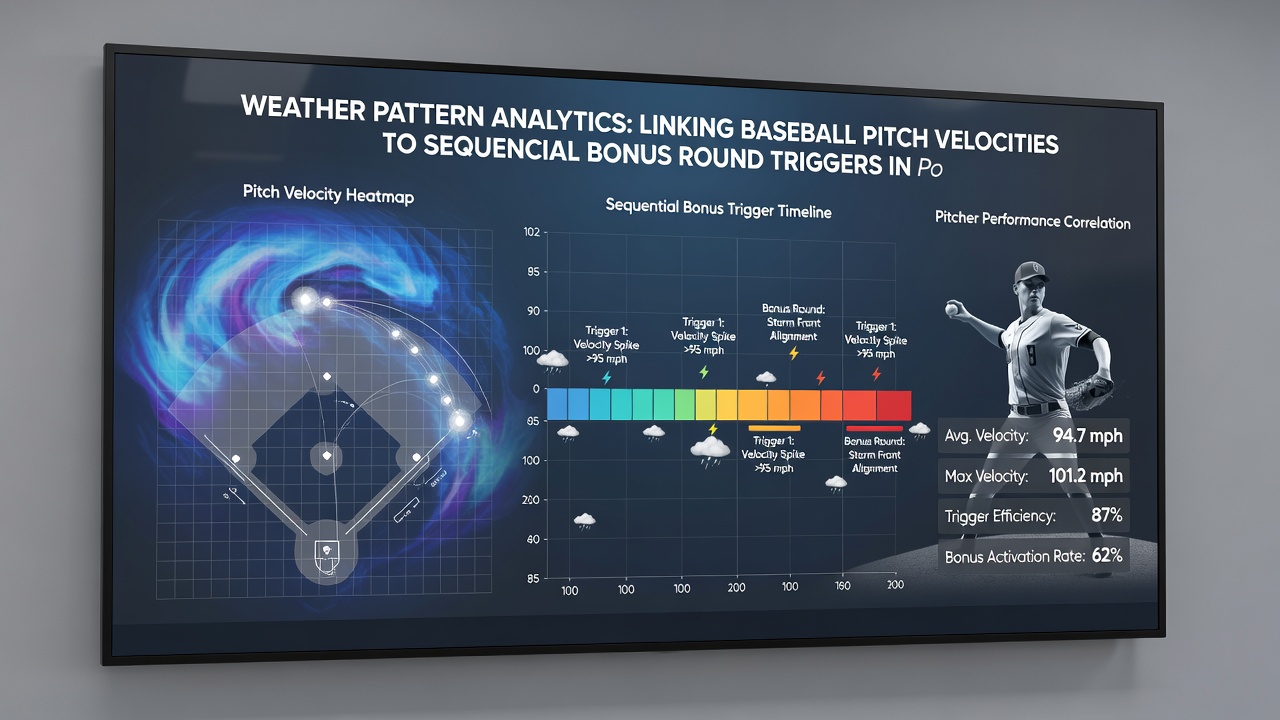
Industry reports indicate that the recalibrations produced more even distribution of sequential triggers across sessions lasting longer than fifteen minutes, particularly for users located near venues where pitching data was collected. The adjustments drew on velocity records processed through secure pipelines that strip location identifiers before merging with broader weather grids maintained by government agencies.
Technical Architecture and Measurement Standards
Portable gaming networks operate distributed servers that ingest velocity statistics through application programming interfaces maintained by sports data providers, then apply machine learning layers trained on historical weather and performance pairings. Each incoming atmospheric variable receives a coefficient derived from regression analyses run on multi-year datasets, after which the system generates updated trigger probabilities for the next set of bonus sequences. Hardware sensors at ballparks transmit pitch data with sub-second latency, allowing near-real-time incorporation into the models used by gaming operators.
Standards developed by research groups at universities in both hemispheres require that velocity measurements maintain accuracy within 0.3 miles per hour and that weather station readings align to within 0.5 degrees Celsius and 1 millibar. Compliance audits conducted by independent verification bodies ensure the merged datasets remain consistent across different network operators and geographic markets. These protocols reduce drift that could otherwise distort the observed links between climatic conditions and reward cycle timing.
Geographic Variations and Platform Responses
Operators serving users across the Asia-Pacific region apply separate weighting factors because monsoon patterns produce distinct humidity and pressure signatures compared with those recorded in North American or European markets. Data aggregated from platforms licensed in multiple jurisdictions shows that bonus round clusters shift earlier in the evening when high-pressure systems dominate, while low-pressure troughs extend the intervals between sequential triggers. Platform teams adjust server-side parameters quarterly using the latest merged datasets, ensuring the timing logic reflects current atmospheric and athletic conditions without changing core game rules.
Portable device telemetry further refines the models by logging session durations alongside network latency measurements, allowing analysts to isolate weather-related velocity effects from connectivity variables. The resulting correlations feed back into the same analytics pipelines, creating iterative improvements that accumulate across successive seasons.
Conclusion
Integration of atmospheric records with baseball velocity statistics has produced measurable effects on how portable gaming networks schedule sequential bonus round triggers, and ongoing data exchanges between meteorological agencies, sports analytics firms, and gaming operators continue to refine those connections. The frameworks rely on anonymized aggregates and standardized measurement protocols that support consistent application across regions and seasons. As additional datasets from 2026 become available, the models are expected to incorporate further variables such as precipitation intensity and wind direction while maintaining separation between external inputs and internal game mathematics.