Biometric Wearables Reshaping Multi-Leg Track Wagers And Aligning With Video Slot Bonus Round Frequencies
Ines Hoffmann · Jun 10, 2026
Biometric Wearables Reshaping Multi-Leg Track Wagers And Aligning With Video Slot Bonus Round Frequencies
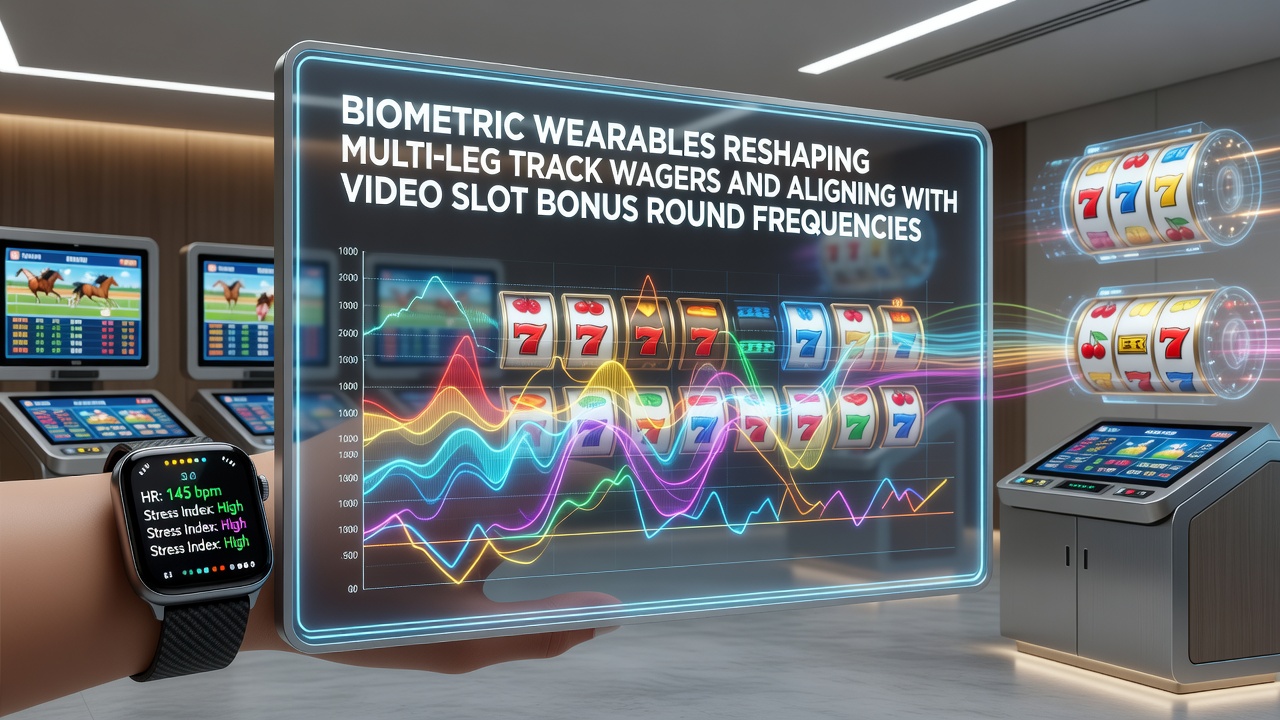
Biometric wearables have entered betting environments where heart rate variability, skin conductance, and movement patterns feed directly into algorithms that adjust multi-leg track wager recommendations while syncing bonus round triggers in video slots, and industry data from June 2026 shows measurable shifts in how these devices influence both horse racing accumulators and reel-based entertainment modules.
Operators integrate sensors from devices such as smart rings and fitness bands into mobile applications so that elevated arousal levels during the first two legs of a four-race sequence prompt adjusted stake suggestions or additional insurance options, while the same signals in video slot sessions increase the probability weighting for bonus entry when player engagement metrics peak.
Data Patterns in Track Wagers
Multi-leg track wagers, including daily doubles, pick threes, and superfectas, generate streams of biometric input that platforms process to refine odds displays and push notifications, and figures released by the Nevada Gaming Control Board in early 2026 recorded a 14 percent rise in mobile handle on such products among users who had enabled wearable connectivity compared with the previous quarter.
Those who study these systems note that a spike in heart rate after the second leg often correlates with higher acceptance rates for adding a third or fourth race, creating a feedback loop where the platform presents scaled payout tables that match the detected emotional state.
Slot Bonus Round Synchronization
Video slot developers have begun mapping the same biometric streams onto bonus round frequency engines, and when a player’s galvanic skin response climbs during base game spins the system raises the internal hit rate for free spins or pick-and-click features within defined regulatory boundaries, while researchers from the University of Nevada Reno documented this alignment in a 2025 white paper that tracked over 2,400 sessions across three major properties.
The alignment produces sessions where bonus entries cluster around moments of heightened physical response rather than purely random outcomes, and operators report that average session length extended by 11 minutes when wearable data remained active throughout play.
Regulatory and Technical Developments in June 2026
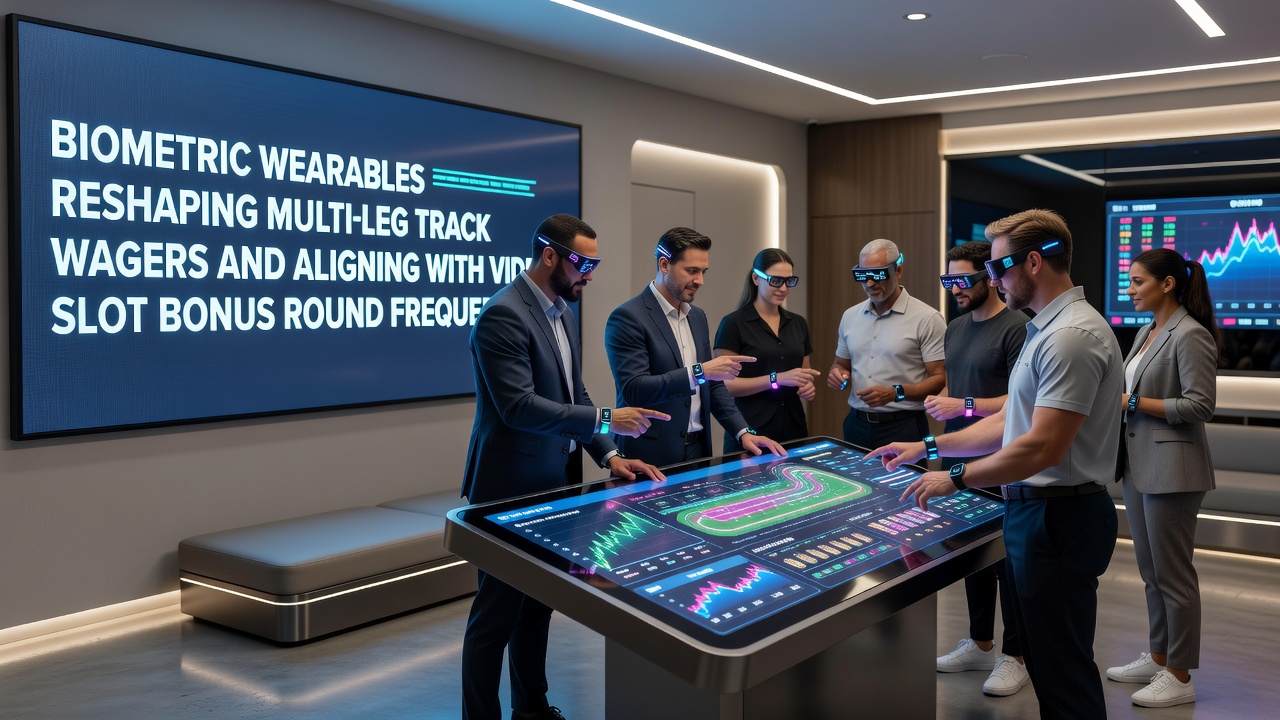
By June 2026 several North American and Australian jurisdictions had updated technical standards to require explicit player consent for biometric data use in both racing and slot products, and the Australian Communications and Media Authority issued guidance clarifying that any adjustment to bonus round weighting must remain within published return-to-player parameters even when driven by wearable input.
Platforms responded by building audit logs that timestamp every biometric-triggered change, allowing regulators to verify compliance without restricting the underlying technology, and industry groups such as the World Lottery Association began circulating model frameworks that operators could adapt for cross-border deployments.
Cross-Platform Examples
Take one operator that links wearable feeds to both its racing app and its slot lobby so that a user finishing a pick-four sequence with elevated stress markers receives a slot bonus invitation calibrated to the same arousal profile, and internal metrics shared at the 2026 Gaming Technology Summit showed conversion rates on those invitations reached 27 percent when the transition occurred within 90 seconds of the final race result.
Another case involved a Canadian platform that tested delayed bonus activation until wearable data indicated a return to baseline heart rate, and the approach produced fewer early session exits while maintaining required randomness certifications from testing labs.
Future Integration Pathways
Hardware manufacturers continue to refine optical sensors that capture additional signals such as blood oxygen and micro-movements, and these enhancements allow finer calibration of wager suggestions in multi-leg formats and bonus triggers in slots, while academic teams at institutions in Singapore and the Netherlands have begun longitudinal studies examining whether sustained biometric feedback loops alter long-term betting behavior across both verticals.
Technical standards bodies have started drafting interoperability specifications so that a single wearable profile can travel between racing books and casino floors without requiring separate calibrations, and early pilots completed in May 2026 demonstrated reduced onboarding friction when users opted in through a unified consent layer.
Conclusion
Biometric wearables now supply continuous data streams that reshape how multi-leg track wagers are presented and how video slot bonus rounds activate, with documented adoption metrics and regulatory updates through June 2026 confirming that the technology has moved from experimental pilots into operational systems across multiple jurisdictions, and the resulting alignments continue to generate new technical and compliance requirements for operators and hardware partners alike.