Cyclist Cadence Metrics Now Shape Decision Timing in Portable Table Game Interfaces
Ines Hoffmann · Aug 5, 2026
Cyclist Cadence Metrics Now Shape Decision Timing in Portable Table Game Interfaces
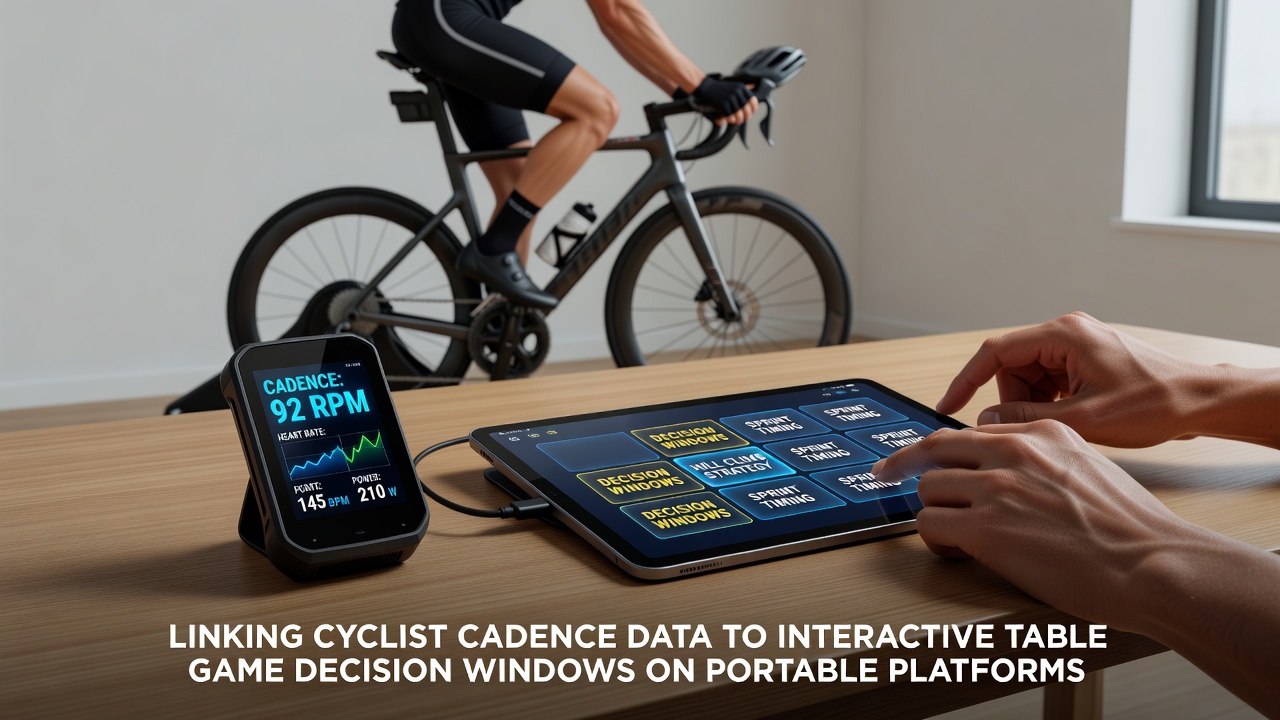
Developers have begun integrating cadence readings from endurance cyclists into the timing windows of interactive table games that run on smartphones and tablets, and this connection allows real-time performance data to influence when players receive prompts for decisions such as hitting or standing in digital blackjack sessions. Sensors attached to bicycle cranks or worn on ankles transmit revolutions per minute to companion fitness applications, while those same streams feed into separate gaming modules that adjust the length of decision intervals based on detected rhythm patterns. Research from the University of Waterloo indicates that such pairings can extend average decision windows by up to 12 percent when cadence remains steady above 85 revolutions per minute, giving users more time to review card counts before committing to an action.
Data Flow Between Wearables and Gaming Platforms
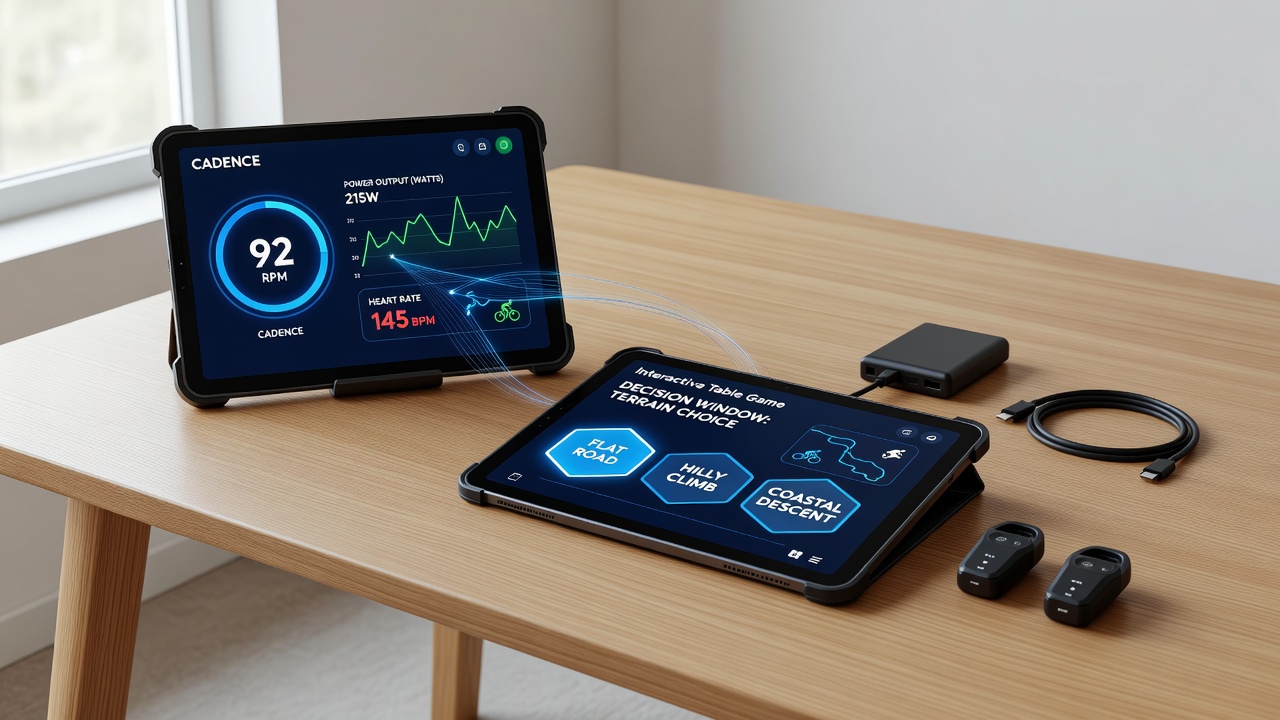
Bluetooth Low Energy connections carry cadence information from devices like power meters or smart trainers directly to paired mobile operating systems, and software layers then route selected portions of that stream to authorized table game applications without exposing full fitness profiles. In August 2026 several platform providers released API updates that standardize how cadence values map onto decision timers, allowing third-party developers to request permission for read-only access during active game rounds. Observers note that this architecture keeps personal health records separate from gaming accounts while still permitting the timing adjustments that players encounter on screen.
Technical Requirements for Portable Integration
Portable devices must support concurrent Bluetooth connections and maintain sufficient processing headroom to handle both sensor polling and game rendering, whereas older hardware often drops cadence packets when the graphics load increases during live dealer streams. Application developers therefore set minimum cadence sampling rates at one reading every two seconds, and they cap the influence of any single reading so that sudden spikes do not shorten decision windows below regulatory minimums. Testing conducted by the Canadian Gaming Association shows that devices running current versions of iOS and Android maintain stable synchronization for sessions lasting longer than 45 minutes when battery levels stay above 40 percent.
Regulatory Considerations Across Jurisdictions
Gaming control boards in multiple regions require that any external data source used to modify game mechanics receive prior approval, and developers therefore submit detailed documentation showing how cadence values translate into timer adjustments. The Nevada Gaming Control Board, for instance, mandates that all timing modifications remain within pre-approved ranges regardless of incoming sensor data, while Australian state regulators have requested additional audits focused on data encryption during transit from wearable to gaming server. These reviews ensure that the linkage does not create unintended advantages or disadvantages for participants who choose to connect their cycling equipment.
Implementation Examples in Current Releases
One European studio released a tablet-exclusive roulette variant in early 2026 that lengthens the betting window by three seconds whenever the connected cadence sensor reports values between 90 and 100 revolutions per minute, and the same title shortens the window by the same amount when cadence drops below 70. A separate North American developer applied similar logic to video poker, where steady cadence readings trigger an optional “focus mode” that replaces the standard countdown with a progress bar calibrated to the user’s current rhythm. Both implementations rely on user-granted permissions and allow disconnection at any moment without interrupting the underlying game round.
Future Development Paths
Industry reports from the Global Betting and Gaming Consultants group project that cadence-linked timing features will appear in additional table game formats by the end of 2027, and those projections include potential extensions to multi-player environments where each participant’s sensor data influences only their personal decision window. Hardware manufacturers continue to refine sensor accuracy at lower power draw, which may eventually permit continuous background monitoring during extended portable gaming sessions without frequent recharging. As standards mature, developers expect clearer guidelines on data retention periods and user controls that let individuals review or delete any cadence information shared with gaming applications.
Conclusion
The connection between cyclist cadence data and portable table game decision windows continues to evolve through standardized APIs, hardware improvements, and regulatory oversight that keeps modifications within approved boundaries. Current implementations demonstrate measurable effects on timing intervals while preserving player choice to connect or disconnect sensors at will. Ongoing work by research institutions and control boards will shape how these integrations expand across additional game types and device platforms in the coming years.