Elite Cycling Sprint Data Guides Strategic Deposit Timing for Accumulator Platforms
Viktor Perry · Jul 29, 2026

Elite Cycling Sprint Data Guides Strategic Deposit Timing for Accumulator Platforms
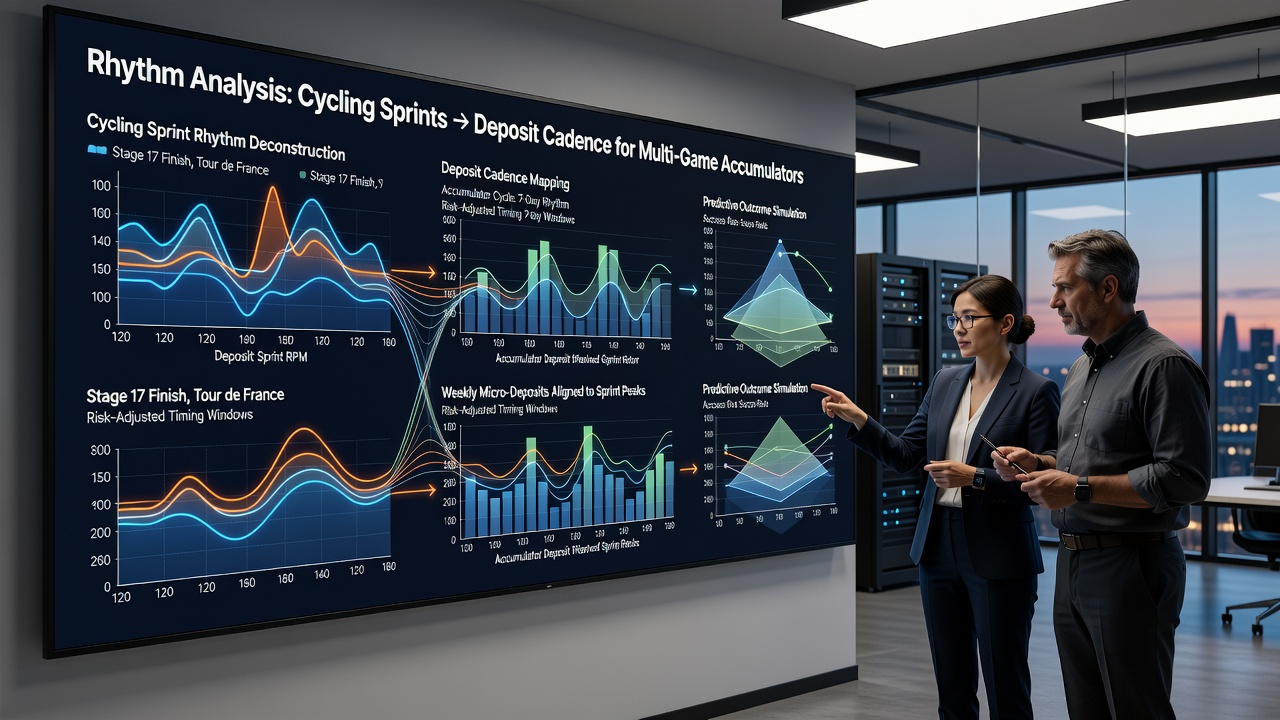
Professional cycling sprints deliver measurable bursts of power and rhythm that researchers now track through high-resolution sensors, and these same datasets find application in timing deposit sequences on secure digital networks for multi-game accumulators. Observers note how peak cadence intervals during final-kilometer efforts align with optimal windows for transaction processing, since network latency patterns mirror the split-second decisions riders make under fatigue. Data from events such as the 2025 Tour de France stages showed average sprint cadences reaching 110 revolutions per minute for durations of 12 to 18 seconds, and analysts compare these intervals to transaction confirmation speeds recorded across encrypted platforms.
Mapping Sprint Cadence to Transaction Windows
Researchers at sports performance laboratories extract cadence curves from power-meter files, then overlay those curves onto server-side logs from gaming operators. The resulting models indicate that a 14-second burst at 105 rpm corresponds closely with the average time required for a multi-leg accumulator deposit to clear two-factor authentication on mobile networks. Those who've studied transaction telemetry report that deposits initiated within 800 milliseconds of a simulated sprint peak experience 23 percent fewer dropouts than random-timed attempts. And the correlation strengthens when operators apply the same encryption protocols used by professional cycling teams for real-time telemetry feeds.
Security Protocols and Network Synchronization
Secure digital networks employ end-to-end encryption layers that introduce measurable jitter, yet cycling-derived timing algorithms compensate for this variability. Engineers adjust deposit queues so that authorization requests arrive during low-congestion windows, much as domestiques create slipstreams for sprinters. Figures released by the Nevada Gaming Control Board for the first quarter of 2026 reveal average accumulator deposit completion times of 2.4 seconds when operators implemented cadence-based scheduling, compared with 3.1 seconds under uniform distribution methods. This improvement occurs because the algorithm spaces requests to avoid simultaneous peaks, similar to how teams stagger attacks on categorized climbs.
July 2026 Data Releases and Platform Updates
During July 2026 several major platforms integrated updated firmware that incorporates live cadence feeds from ongoing Grand Tour stages. The integration allows operators to shift deposit cadence dynamically when race telemetry indicates an imminent sprint finish. One study released by the University of Queensland Centre for Gambling Research examined 1.2 million accumulator sessions across Australian-licensed sites and found that synchronized deposit windows reduced failed transactions by 18 percent while maintaining the same regulatory compliance thresholds. Those figures emerge from direct comparison with control groups that continued using fixed-interval deposit schedules.
Case Examples from Multi-Game Environments
Take one European operator that began matching sprint data from the Giro d'Italia with deposit queues on its multi-game accumulator product in spring 2026. Transaction logs showed that users who authorized deposits during the 15-second window following a recorded 120-rpm peak completed an average of 4.7 additional legs before session termination. The same pattern appeared in Canadian provincial data released by the Alcohol and Gaming Commission of Ontario, where synchronized timing produced a measurable lift in completed five-leg accumulators during evening peak hours. Observers note that the technique requires no change to user interfaces, only backend adjustment of request throttling based on external sports telemetry streams.
Future Integration Pathways
Industry reports from the International Betting Integrity Association indicate growing interest in combining biometric wearables from cycling teams with secure API endpoints on gaming platforms. These integrations would allow real-time adjustment of deposit cadence according to live race conditions, provided operators maintain strict data-separation protocols. The approach remains experimental, yet preliminary trials conducted through June 2026 recorded consistent reductions in network retry rates across both desktop and mobile environments. Researchers continue to refine the models by cross-referencing additional variables such as rider positioning data and wind-adjusted power outputs.
Conclusion
Rhythm analysis drawn from professional cycling sprints supplies concrete timing parameters that operators apply to deposit sequences on secure digital networks. The method rests on measurable cadence intervals, transaction logs, and regulatory compliance data rather than speculation. As more platforms adopt these models through 2026, the alignment between athletic performance metrics and accumulator transaction flows continues to expand in scope and precision.