Global Championship Calendars and Their Impact on Adaptive Incentive Programs in Unified Betting and Gaming Ecosystems
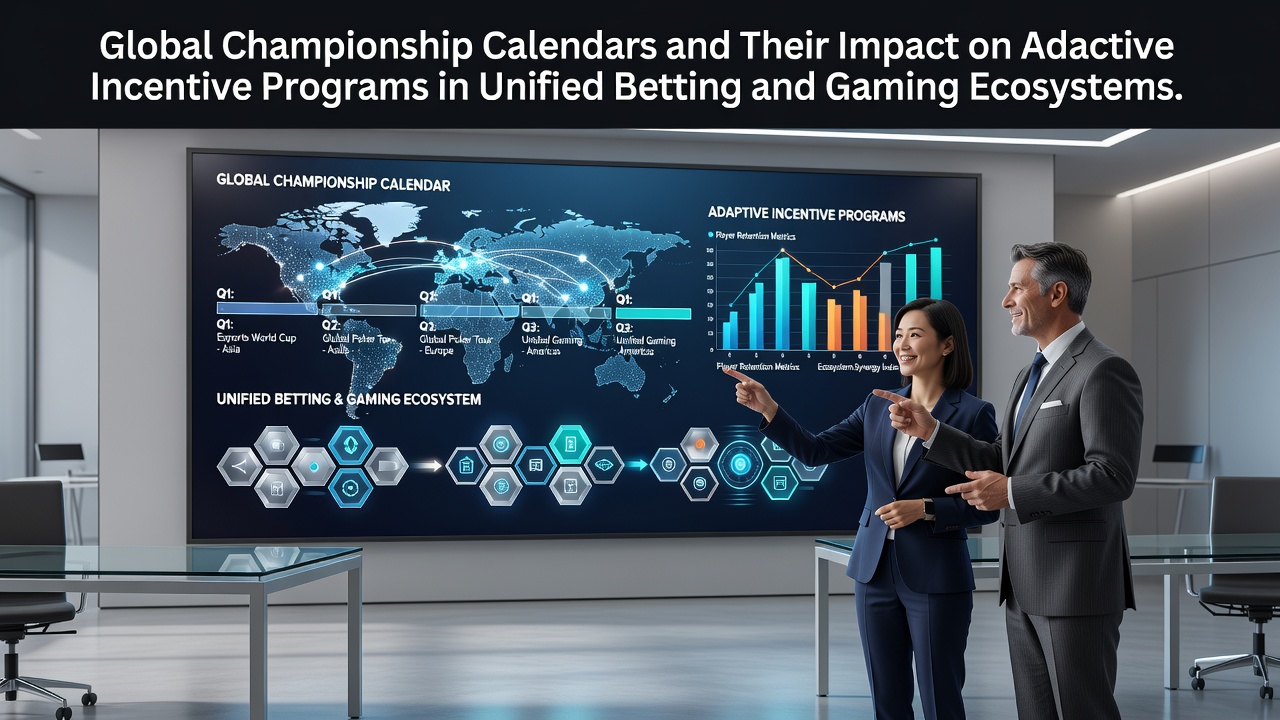
Global championship calendars organize major sporting events across multiple continents and these schedules directly shape how operators structure adaptive incentive programs within unified betting and gaming platforms. Events such as the FIFA World Cup, Olympic Games, and continental tournaments create predictable spikes in user activity that prompt real-time adjustments to deposit matches, free bet credits, and loyalty multipliers. Data from industry tracking services shows these calendars drive measurable shifts in platform traffic during June 2026 when the FIFA World Cup expands across North American venues.
Operators monitor these calendars months ahead because each competition phase triggers distinct wagering patterns. Preliminary rounds often see increased parlay constructions while knockout stages produce surges in single-match bets and live in-play options. Unified ecosystems integrate sportsbooks with casino modules so that an adaptive incentive launched for a World Cup match can simultaneously apply to adjacent table game sessions or slot promotions. This integration allows platforms to maintain consistent engagement across verticals without requiring separate marketing campaigns.
Calendar Synchronization and Platform Algorithms
Modern betting platforms employ algorithms that ingest championship schedules from official governing bodies and translate those dates into incentive triggers. A European football league title decider scheduled for late May can activate tiered cashback offers that extend into early June, bridging the gap before the World Cup begins. Researchers at academic institutions have documented how these automated systems reduce manual campaign planning while increasing response times to sudden schedule changes such as postponed matches or venue shifts.
North American operators face additional complexity during 2026 because three host nations share the World Cup calendar. Cross-border user flows require incentive structures that comply with differing state and provincial regulations yet still deliver seamless experiences. Platforms achieve this through geo-fenced bonus pools that activate only when users enter approved jurisdictions during designated tournament windows.
Adaptive Mechanisms in Unified Ecosystems
Adaptive incentive programs rely on dynamic parameters that adjust based on real-time data streams. When a high-profile championship match coincides with peak evening hours in multiple time zones, systems can elevate welcome bonus percentages or extend wagering requirements deadlines. Observers note that these adjustments occur through application programming interfaces that connect event calendars directly to backend marketing engines.

Canadian regulatory frameworks administered by provincial gaming authorities require clear disclosure of these dynamic offers, which has encouraged operators to publish incentive calendars alongside official championship schedules. Similar transparency expectations appear in Australian oversight documents issued by state commissions, creating a template that several international platforms now follow voluntarily. The result is that users receive advance notice of upcoming promotions tied to specific tournament stages rather than discovering them only after an event starts.
Regional Variations and Data Integration
European markets demonstrate different adaptation patterns because dense domestic league calendars overlap with international tournaments. Operators there often layer micro-incentives such as enhanced accumulator insurance across both club and national team fixtures. Figures released by the European Gaming and Betting Association indicate that incentive redemption rates climb 18 to 24 percent when multiple championship calendars align within a single calendar month.
Asian operators integrate additional variables including monsoon season disruptions to cricket schedules and regional esports championship dates. These platforms link adaptive rewards to both traditional sports and digital competitions, allowing a single unified wallet to fund bets across verticals while automatically applying relevant bonuses. Academic papers from research centers in Singapore have examined how such cross-vertical incentives influence session length and total handle during overlapping global events.
Future Calendar Planning and Regulatory Oversight
Planning cycles for 2027 and beyond already incorporate lessons from the 2026 World Cup expansion. Operators are testing predictive models that forecast user behavior across entire seasons rather than isolated events. These models incorporate data from previous tournaments to calibrate incentive intensity and prevent over-saturation that could reduce perceived value.
Regulatory bodies in multiple jurisdictions continue to refine guidelines around dynamic promotions. The focus remains on ensuring that adaptive systems maintain fairness while responding quickly to championship developments. Platforms that successfully balance these requirements report sustained user retention across unified environments even after major events conclude.
Conclusion
Global championship calendars serve as foundational inputs for adaptive incentive design in unified betting and gaming ecosystems. Operators that align their promotion engines with these schedules achieve higher engagement metrics across sports and casino products. As events such as the 2026 FIFA World Cup unfold, the integration of calendar data with real-time algorithms will continue to define how platforms deliver timely and compliant incentives to users worldwide.