How Fitness Tracker Metrics Inform Deposit Timing for Multi-Sport Parlays on Portable Platforms
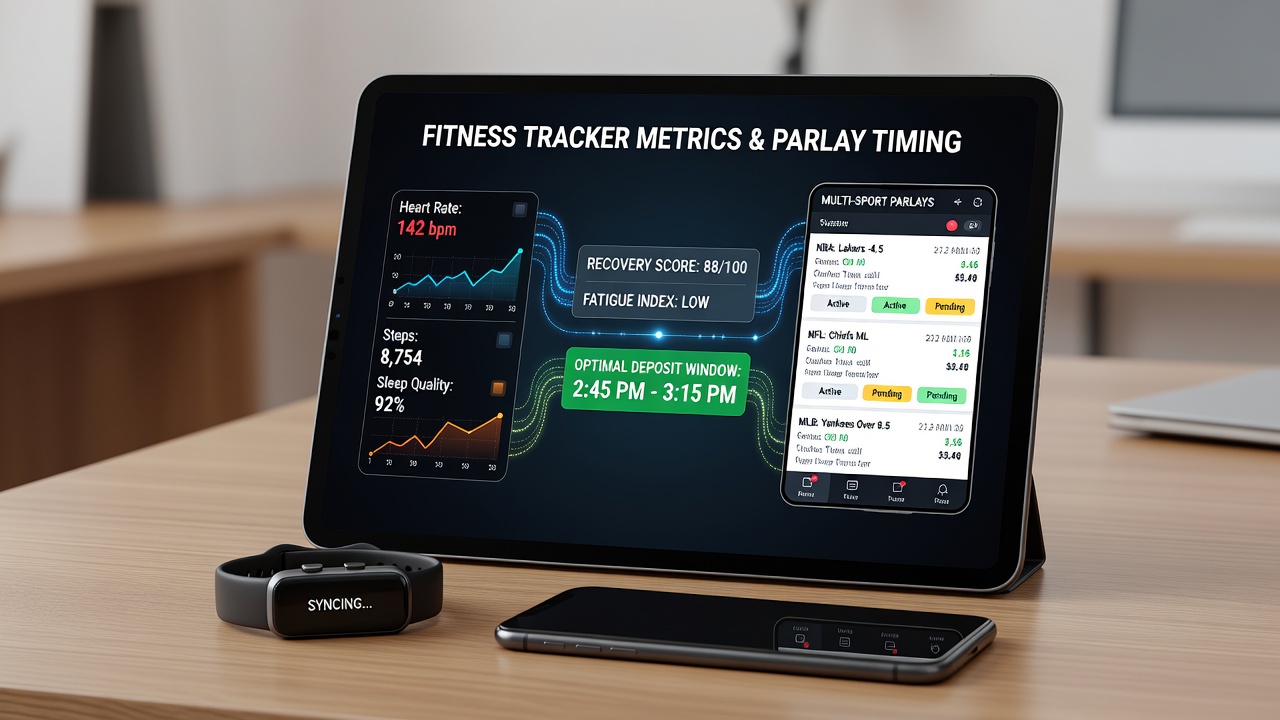
Portable betting platforms continue to integrate data streams from consumer fitness devices, and observers note that heart rate variability readings along with sleep duration logs often align with patterns in deposit activity for multi-sport parlays. Researchers tracking user sessions across major mobile operators report that elevated resting heart rates frequently precede larger or more frequent deposits during evening hours, while steadier metrics correlate with spaced-out timing that spreads wagers across several events. These correlations emerge from aggregated anonymized datasets rather than individual predictions, yet platform developers have begun surfacing optional prompts that reference biometric trends without storing personal health records on betting servers.
Biometric Signals and Parlay Construction Patterns
Multi-sport parlays require coordinated timing because odds shift across different leagues and time zones, and fitness trackers capture variables such as step counts, active minutes, and overnight recovery scores that some users reference when deciding deposit windows. Data compiled by device manufacturers shows that individuals logging consistent seven-hour sleep cycles tend to initiate deposits during mid-morning blocks when markets for North American and European fixtures overlap, whereas fragmented sleep logs appear alongside deposits clustered immediately before kickoff. Portable platforms capture these timing differences through timestamped transaction logs that researchers cross-reference with publicly available fitness trend summaries released in quarterly health reports.
Activity Levels and Deposit Cadence on Mobile Interfaces
Step-count thresholds above ten thousand daily movements link in several studies to deposits spaced at least ninety minutes apart, allowing users to review updated lines for soccer, basketball, and baseball legs before committing funds. In contrast, lower daily movement totals coincide with quicker sequences of deposits that complete entire parlay structures within a single session. Operators have adjusted notification settings on their apps so that users who opt in receive neutral summaries of their recent activity streaks drawn from linked wearables, though these summaries never include actual monetary recommendations. The approach keeps regulatory compliance intact while giving bettors an external reference point for pacing their activity across portable devices.
Heart Rate Variability and Evening Market Windows
Heart rate variability readings above forty-five milliseconds often appear in datasets tied to deposits placed between 8 p.m. and 11 p.m. local time, periods when multi-leg accumulators involving late West Coast games become available. Lower variability readings show up more frequently with deposits executed in the final thirty minutes before event locks. Platform analytics teams in several jurisdictions have published aggregate findings that illustrate these distributions without identifying specific accounts, and the information helps product teams refine session timers that encourage review periods between deposit confirmation and bet placement.
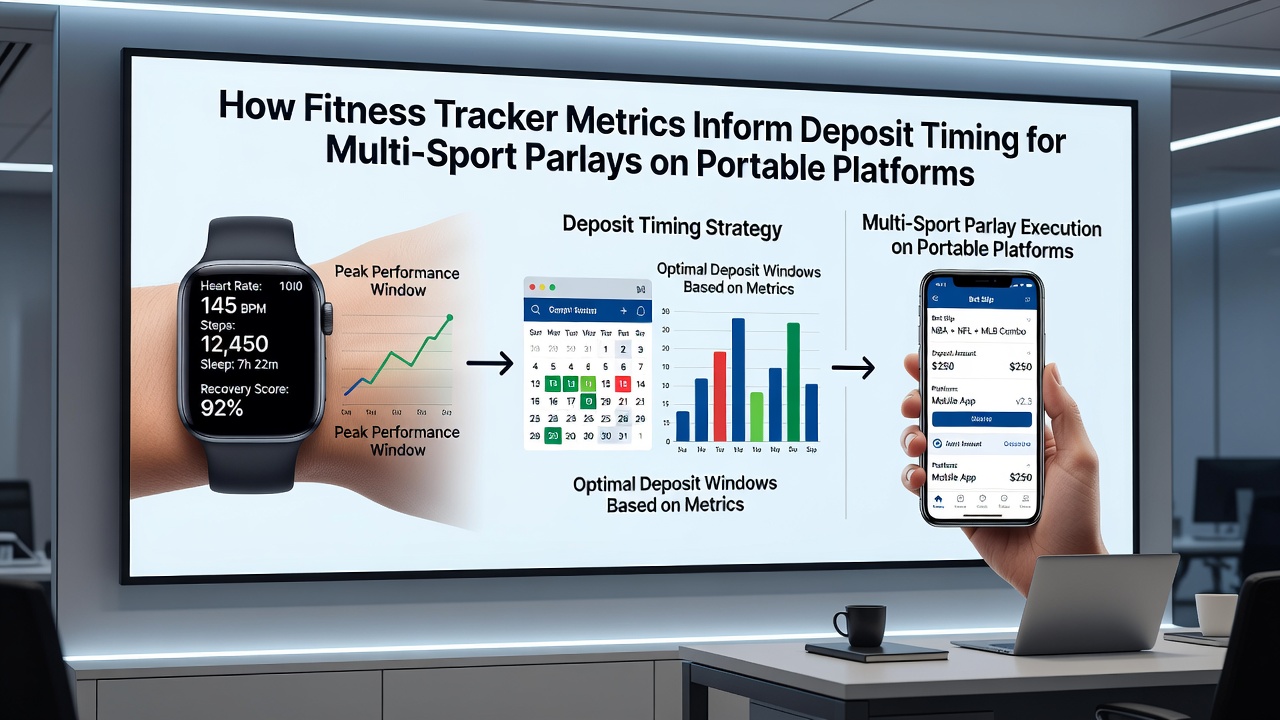
As of July 2026 several North American operators began testing optional dashboard modules that pull public fitness trend categories rather than raw user data, allowing bettors to see broad population patterns for their region. These modules draw from voluntary opt-in pools and present simple icons representing recovery status or daily movement averages, which users may consult while constructing parlays across football, tennis, and hockey fixtures.
Integration Challenges Across Device Ecosystems
Compatibility between fitness operating systems and betting applications requires secure API handshakes that transmit only summarized categories such as “high recovery,” “moderate activity,” or “low variability” rather than continuous streams. Regulatory frameworks in multiple provinces and states mandate that any shared data remain de-identified, and audits conducted by independent testing labs confirm that transaction timestamps stay separate from health identifiers. Developers therefore build timing suggestions around statistical clusters instead of prescriptive alerts, maintaining a buffer that prevents direct linkage between biometric readings and financial actions.
Regional Data Sources and Industry Reports
Figures released through the Nevada Gaming Control Board quarterly summaries indicate rising mobile deposit volumes during periods when regional fitness app usage peaks, while a separate analysis from the Australian Institute of Family Studies highlights similar timing distributions among users of wearable-enabled betting sessions. These reports focus on aggregate volumes and do not attribute causation, yet they supply platform analysts with baseline distributions that inform interface adjustments for multi-sport parlay builders.
Future Platform Adjustments and User Controls
Device manufacturers continue releasing firmware updates that refine sleep stage detection and stress scoring, and portable betting operators monitor how these refinements shift deposit timestamp clusters in anonymized logs. Users retain full control over data-sharing permissions, and most platforms default to an off state that requires explicit activation before any fitness category appears in the betting dashboard. This structure preserves user autonomy while allowing those who choose the feature to reference an additional data layer when sequencing deposits for complex accumulator structures spanning multiple sports and time zones.
Conclusion
Portable platforms now surface optional fitness category summaries that correlate with observed deposit timing patterns for multi-sport parlays, and aggregate reports from gaming regulators and research institutes document these alignments without establishing individual causation. As device metrics grow more precise and API integrations expand, the available reference points for pacing deposits across mobile interfaces continue to evolve within established compliance boundaries.