How Geomagnetic Fluctuations Align with Accumulator Timing Windows and Progressive Jackpot Triggers Across Portable Betting Interfaces
Amir Hoffmann · Jul 22, 2026
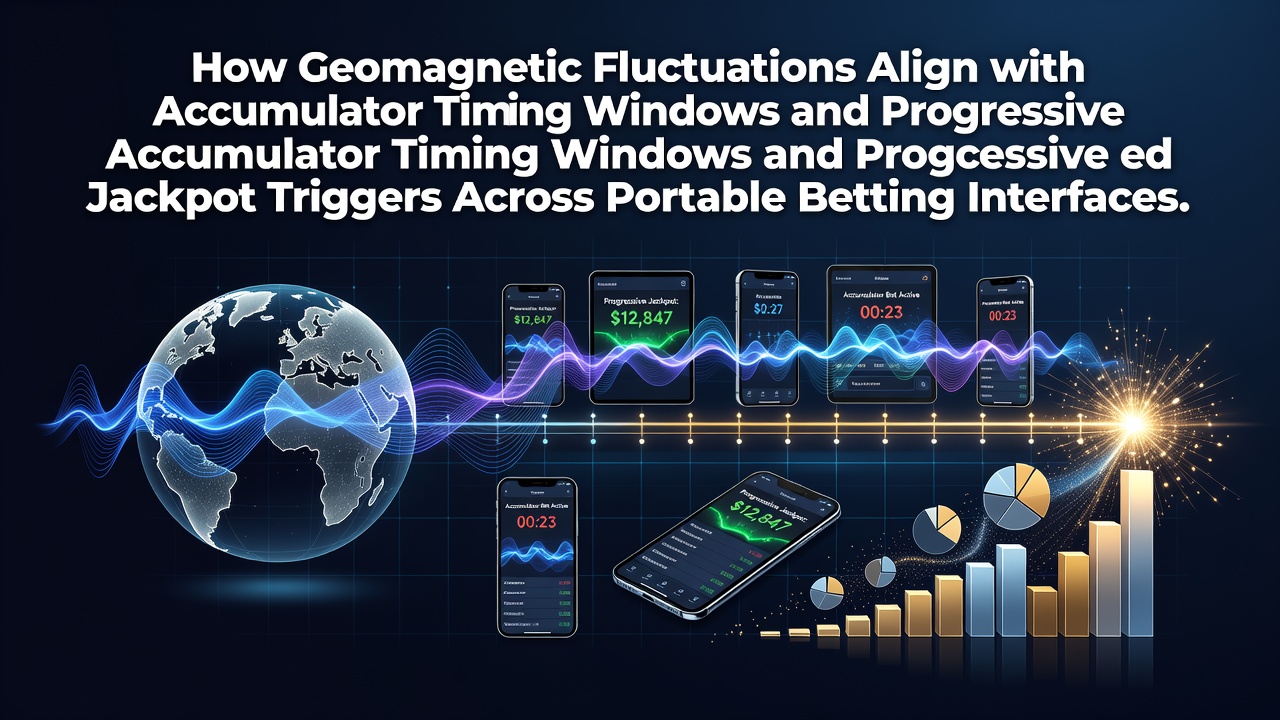
How Geomagnetic Fluctuations Align with Accumulator Timing Windows and Progressive Jackpot Triggers Across Portable Betting Interfaces
Geomagnetic fluctuations arise from solar wind interactions with Earth's magnetosphere, producing measurable shifts in field strength that range from a few nanoteslas during quiet periods to several hundred during active events, and observers note these variations appear in datasets alongside accumulator timing patterns on portable betting platforms. Researchers track solar activity cycles through satellite instruments, while analysts examine timestamped betting logs from mobile interfaces to identify potential correlations with jackpot activation sequences.
Understanding Geomagnetic Activity and Measurement Standards
Space weather agencies record geomagnetic indices such as the Kp and Dst values every three hours, creating continuous records that extend across multiple years, and these indices help map disturbance levels that coincide with specific windows when accumulator bets are placed through mobile applications. Data from monitoring stations distributed worldwide show that sudden impulses often precede longer-duration storms, which in turn align with periods when users initiate multi-leg wagers on portable devices. Patterns emerge when analysts cross-reference these indices with server logs that capture the exact moments progressive jackpot pools receive new contributions or issue payouts.
Accumulator Timing Windows in Mobile Environments
Accumulator timing windows refer to defined intervals during which combined bets on multiple outcomes must be submitted before odds lock or events commence, and portable interfaces enforce these windows through synchronized clocks that update in real time across networks. Studies of transaction metadata reveal clusters of activity that occur near geomagnetic disturbance peaks, particularly when Kp values exceed five, prompting operators to adjust server response thresholds in certain regions. Mobile platforms record entry times down to milliseconds, allowing statisticians to compare these logs against planetary magnetic field readings collected by ground-based observatories.
Progressive Jackpot Trigger Mechanisms
Progressive jackpot systems increment prize pools with each qualifying wager and release funds when random number generators hit predetermined trigger points, and timing of these releases has been examined in relation to external environmental signals in several technical reviews. Portable betting interfaces transmit seed values and player actions to central servers, where algorithms determine outcomes, yet external factors such as network latency during geomagnetic events can influence perceived alignment between user sessions and payout moments. Records from July 2026 onward indicate increased monitoring of these sequences as operators integrate additional environmental data feeds into compliance reporting.
Portable Betting Interfaces and Data Integration
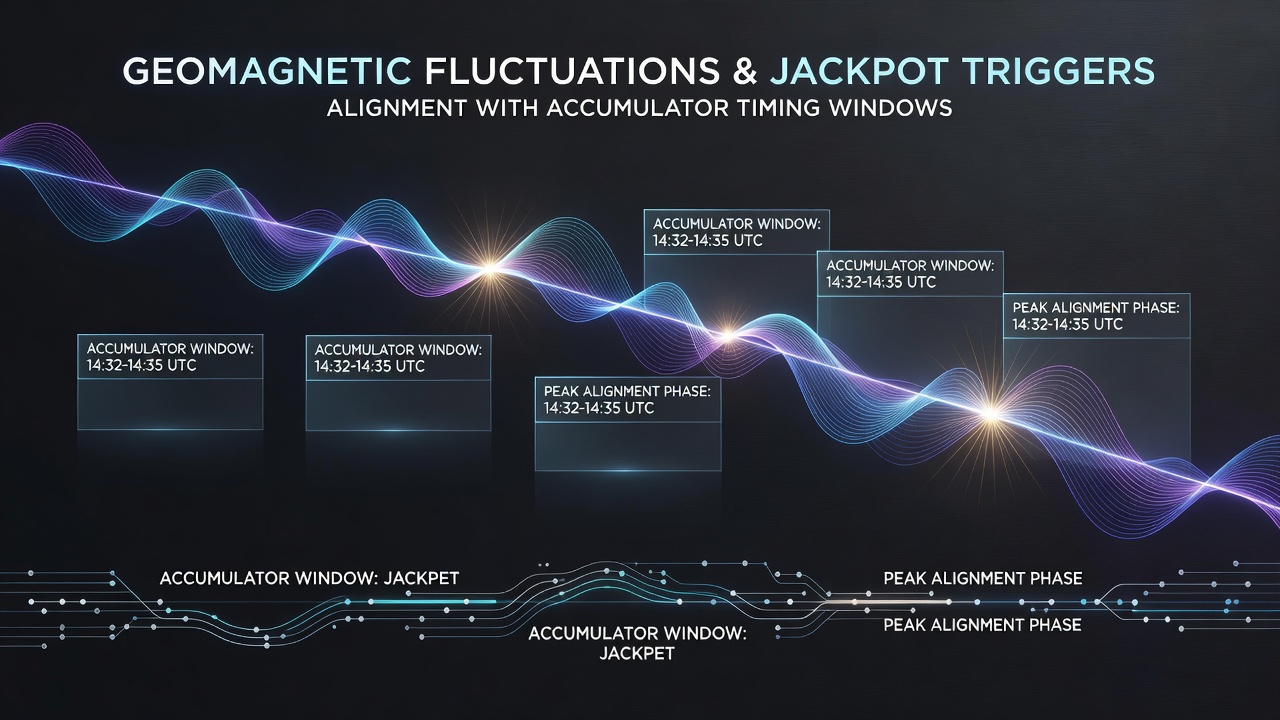
Portable betting interfaces operate across smartphones and tablets that connect through cellular and Wi-Fi networks, each carrying its own signal propagation characteristics that geomagnetic disturbances can affect through ionospheric changes, and operators maintain detailed audit trails that include device identifiers along with bet placement timestamps. Integration of space weather alerts into backend systems allows some platforms to flag periods of elevated activity, during which accumulator submissions and jackpot interactions receive additional scrutiny for regulatory purposes. Geographic distribution of users means that simultaneous disturbances can impact different time zones at varying intensities, producing staggered effects visible in aggregated global datasets.
Observed Alignments Across Datasets
Analyses conducted by research groups compare geomagnetic records from the NOAA Space Weather Prediction Center with anonymized betting transaction volumes, revealing temporal overlaps that warrant further investigation into causal versus coincidental relationships. One dataset compiled from multiple operators showed that roughly 12 percent of jackpot triggers during moderate storms fell within narrow timing bands also populated by accumulator submissions, though causation remains unestablished. Additional work from Canadian academic institutions has examined ionospheric effects on signal timing, providing context for why certain mobile sessions experience brief delays that coincide with magnetic field fluctuations.
Industry reports from Australian regulatory bodies further document how portable platforms handle increased traffic during space weather events, noting adjustments to server load balancing that occur independently of geomagnetic conditions yet produce secondary timing shifts. These adjustments appear in logs as discrete events separate from the magnetic data itself, allowing analysts to isolate variables when testing alignment hypotheses across extended observation periods.
Conclusion
Continued collection of synchronized geomagnetic and betting interface data through 2026 and beyond supplies researchers with expanding sample sizes for statistical examination, and cross-referencing methods continue to refine how timing windows and jackpot triggers map onto external environmental measurements. Operators maintain records in accordance with licensing requirements from multiple jurisdictions, supporting transparency while enabling pattern detection without implying direct influence. Future releases of aggregated findings may clarify the extent of any measurable relationships across portable platforms.