Patterns in how transaction speeds shape multi-sport parlay constructions across portable platforms
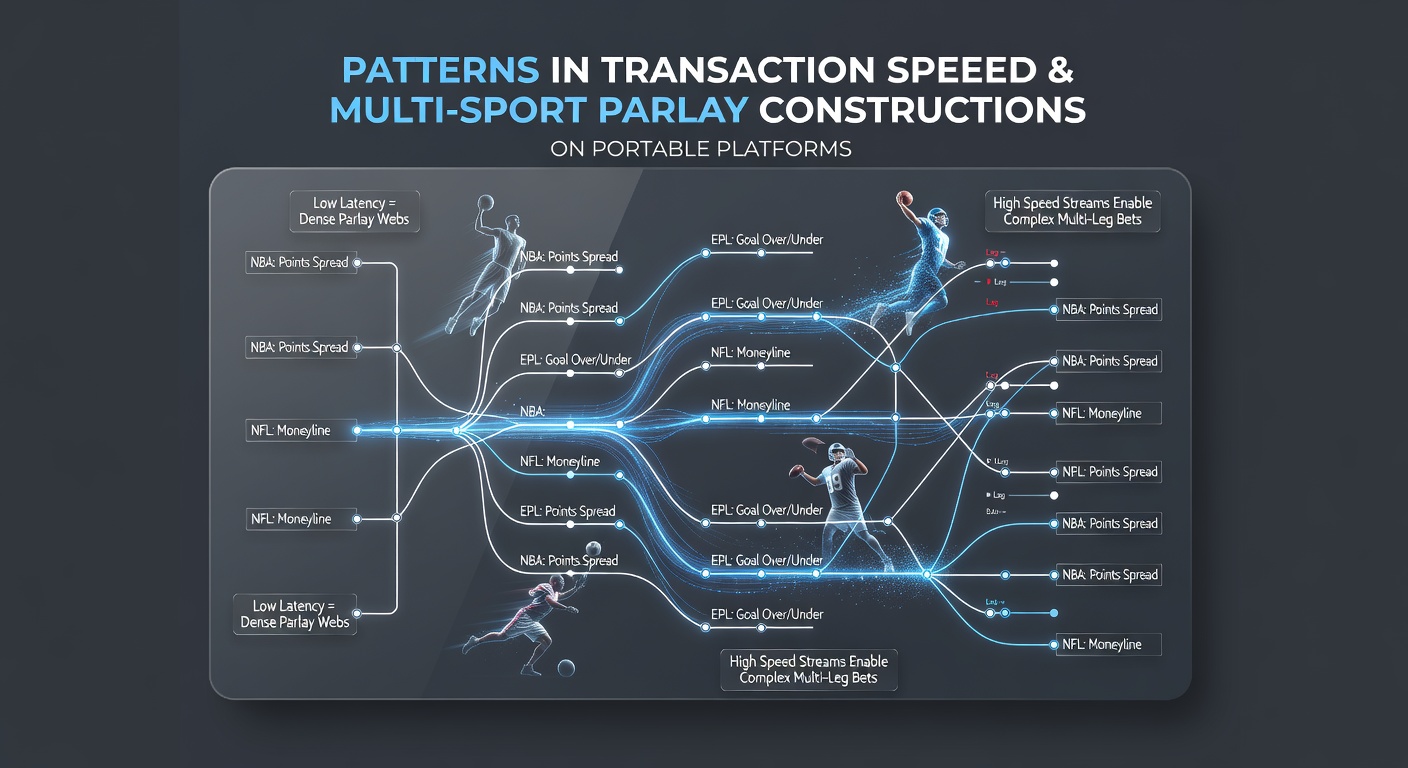
Transaction speeds on portable platforms have begun to influence the way multi-sport parlay constructions develop, particularly as mobile applications integrate faster payment rails and real-time processing capabilities. Observers note that bettors who construct parlays spanning soccer, basketball, tennis, and other disciplines increasingly rely on instant deposit confirmations to lock in odds before they shift across separate markets. Data from industry tracking services indicates that platforms supporting sub-second transaction verification see higher volumes of cross-sport combinations compared with those limited to traditional banking delays.
Transaction Processing and Parlay Assembly
Portable devices allow users to move between live odds feeds while funding accounts without exiting the application interface. When processing times drop below three seconds, patterns emerge where bettors add legs from unrelated sports in a single session rather than staging separate wagers over hours. Researchers at academic institutions studying digital wagering systems have documented that faster authorization correlates with increased use of three-leg and four-leg parlays that mix outcomes from events occurring on different continents. Those examining transaction logs observe that e-wallet and instant bank transfer options produce measurable spikes in multi-sport activity during evening peak windows when multiple leagues overlap.
Platforms equipped with stablecoin or low-latency rail integrations show distinct construction sequences. Bettors frequently initiate a soccer leg, confirm the transaction, then immediately append a basketball total or tennis set spread before the next price movement. This sequence repeats across user cohorts in regions where regulatory frameworks permit rapid settlement testing. Figures released by the American Gaming Association highlight that mobile parlay submissions involving at least two different sports rose steadily through early 2026, coinciding with broader adoption of instant funding tools.
Portable Platform Architecture and Speed Dependencies
Application design on tablets and smartphones incorporates caching mechanisms that preload odds while background processes handle payment verification. When these background processes complete in under two seconds, users maintain momentum across multiple sport categories without refreshing screens or re-authenticating. Studies conducted by research groups focused on human-computer interaction in gaming environments reveal that session duration extends when transaction friction decreases, leading to more elaborate parlay trees that incorporate props from disparate events. In May 2026, several operators updated their mobile SDKs to prioritize payment gateway switching, resulting in documented shifts toward higher average leg counts per multi-sport ticket.
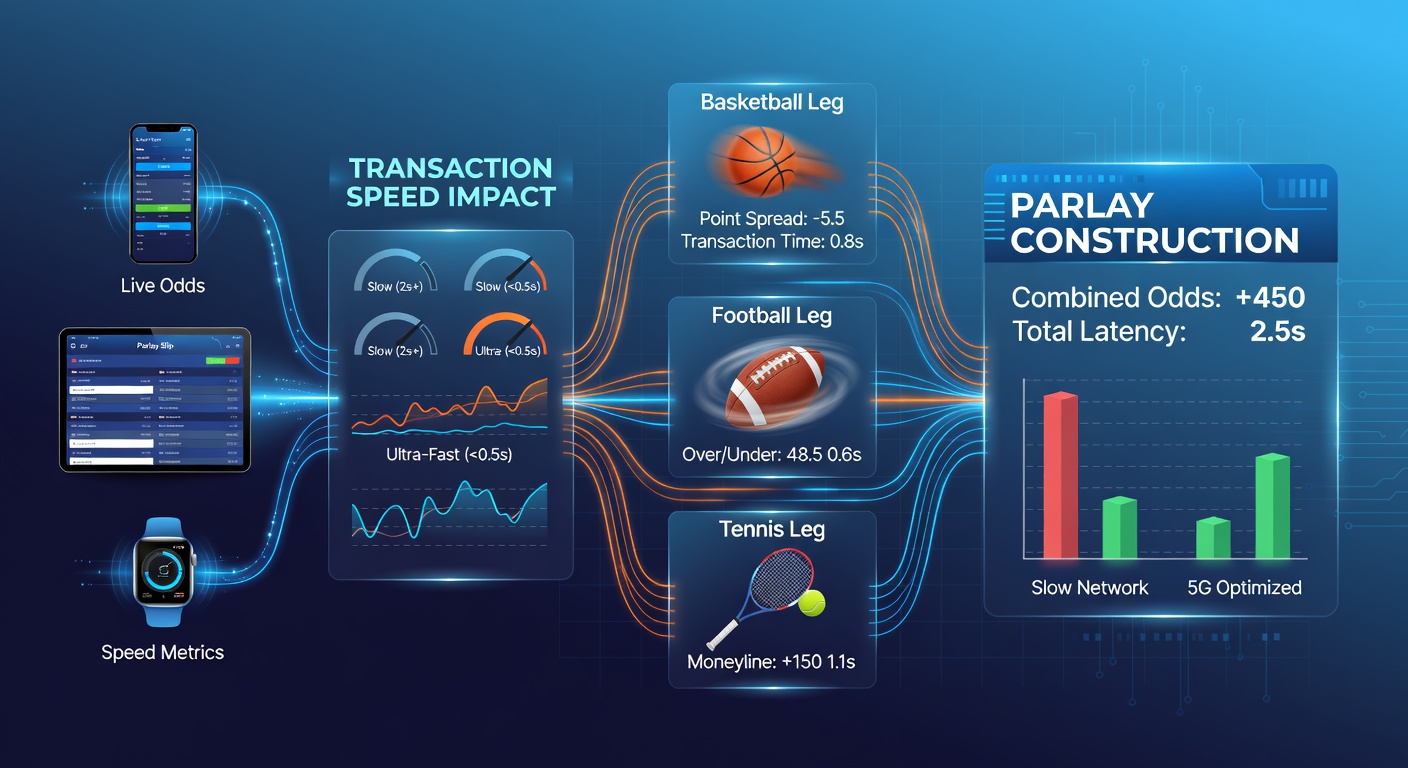
Geographic variations appear in the data. Markets with established instant payment schemes demonstrate earlier adoption of mixed-sport parlays, whereas regions still transitioning from card-based systems exhibit slower uptake. Canadian provincial regulators, including those overseeing Ontario's framework, have published aggregate transaction metrics showing that platforms with sub-five-second average processing times record elevated proportions of parlays linking North American and European fixtures. Similar patterns surface in Australian regulatory summaries that track mobile wagering behavior across state borders.
Observed Construction Patterns Across Device Types
Smartphone users tend to build parlays sequentially, adding one leg at a time and confirming each transaction segment before proceeding. Tablet sessions, by contrast, often display simultaneous viewing of multiple sport dashboards, allowing parallel selection followed by a single consolidated payment step. Both patterns accelerate when network latency and payment authorization align within tight tolerances. Industry reports compiled by European trade associations indicate that operators optimizing for these device-specific flows experience measurable growth in multi-sport ticket diversity rather than repetition of single-sport combinations.
Real-time data feeds further interact with transaction speed. When a soccer match enters stoppage time and a basketball quarter begins simultaneously, users on fast-processing platforms can incorporate both outcomes before either market closes. Slower systems force prioritization, reducing the scope of cross-sport constructions. Those analyzing anonymized betting datasets note that the proportion of parlays containing three or more sports increases most sharply on devices paired with instant settlement options, particularly during international tournament periods when event calendars overlap densely.
Conclusion
Patterns linking transaction speeds to multi-sport parlay constructions continue to develop as portable platforms refine payment integration. Evidence from regulatory filings and academic examinations shows consistent associations between reduced processing intervals and expanded cross-discipline selections. Operators and platform developers track these metrics closely because they shape both user behavior and system requirements. As infrastructure evolves, the documented relationships between speed and construction complexity provide measurable indicators for future platform adjustments.