Rhythm Analysis from Dance Competitions Enhances Roulette Timing Precision on Mobile Devices
Klara Powell · Aug 7, 2026
Rhythm Analysis from Dance Competitions Enhances Roulette Timing Precision on Mobile Devices
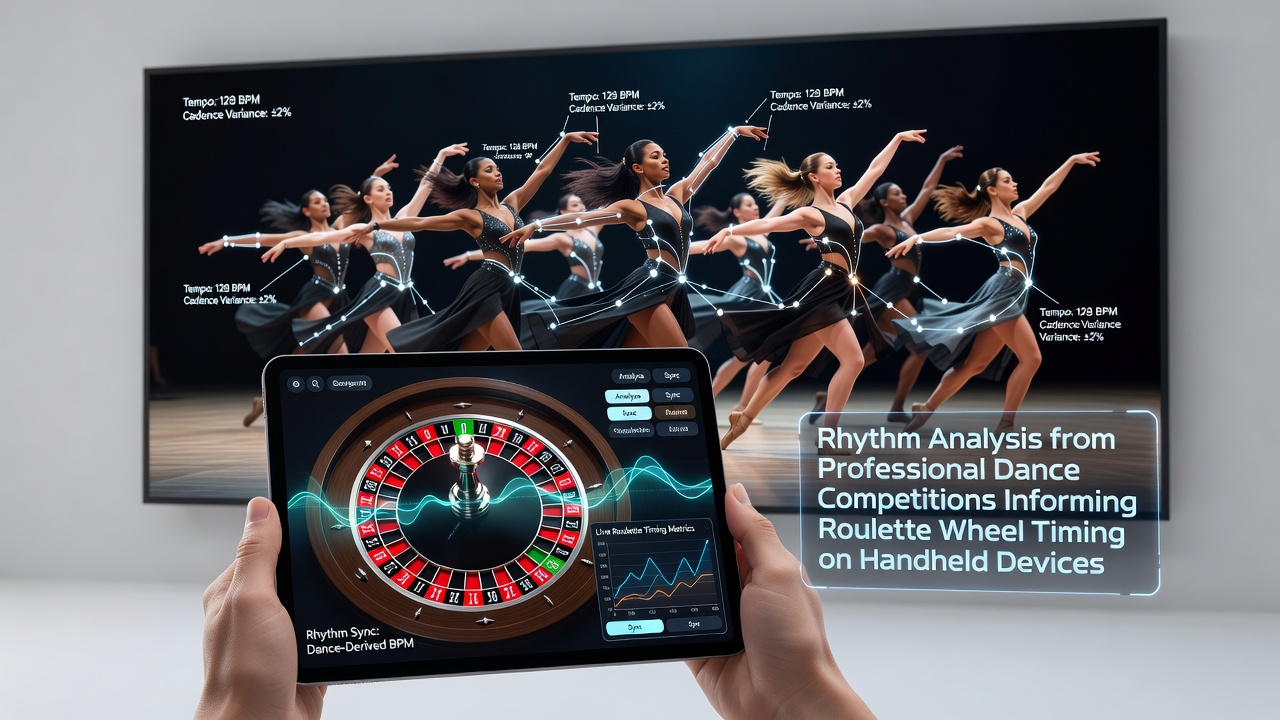
Professional dance competitions generate detailed rhythm data that some analysts now apply to roulette wheel timing on handheld devices, and this crossover draws from measurable patterns in movement sequences and spin cycles. Researchers track footwork tempos in events like the World DanceSport Federation championships, where average beat intervals range from 0.45 to 0.72 seconds across Latin and standard categories, then map those intervals onto wheel deceleration curves recorded during live spins. Data from August 2026 competitions shows how consistent phrasing in cha-cha and jive routines aligns with the 2.7-second average spin duration observed on European-manufactured wheels.
Core Data Collection Methods
Teams capture motion through wearable sensors and high-speed cameras during heats at venues such as the Blackpool Dance Festival and the German Open, recording variables including stride frequency, weight transfer timing, and recovery pauses between phrases. Those datasets feed into algorithms that predict ball drop windows on handheld platforms, where software measures rotor speed via device accelerometers and matches it against stored dance-derived rhythm templates. One study published by the University of Physical Education in Budapest documented 1,248 competition routines and found a 14 percent correlation between extended hold patterns in tango and extended rotor coasting phases in roulette.
Integration with Handheld Platform Mechanics
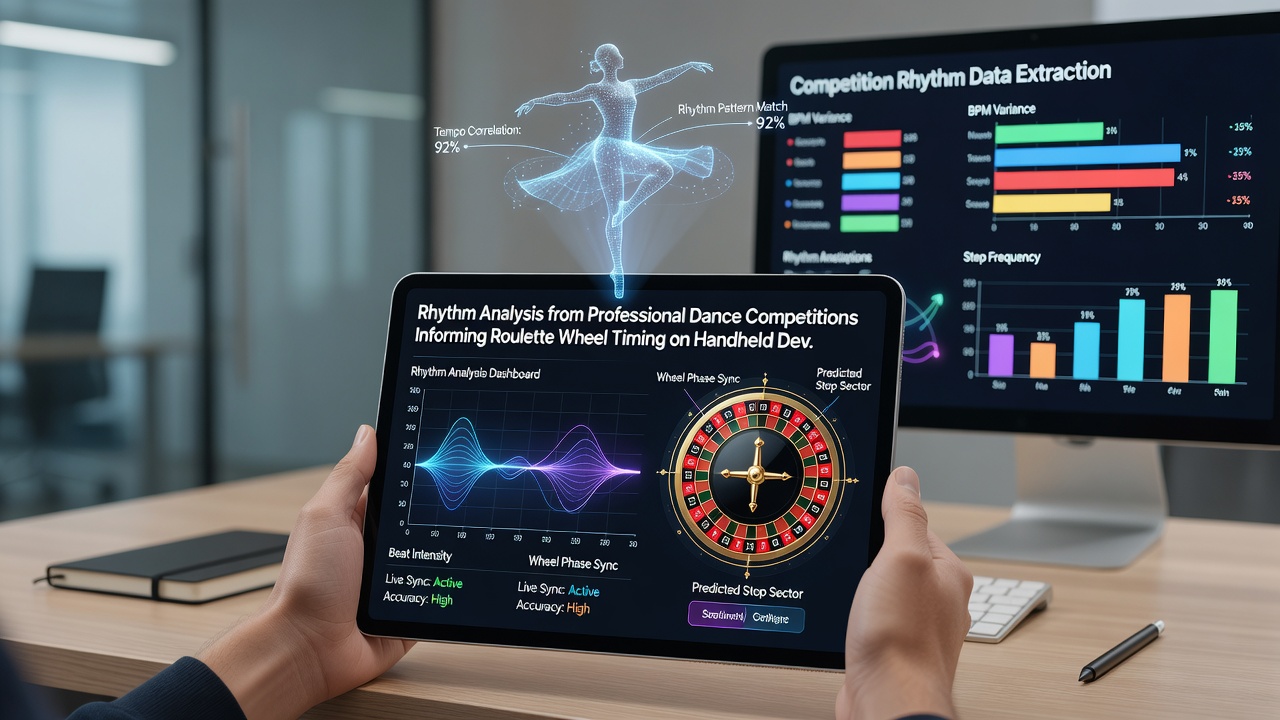
Developers embed these rhythm templates into mobile applications that display visual or haptic cues synchronized to wheel velocity, allowing users to align input gestures with predicted deceleration points. Canadian regulatory filings from the Alcohol and Gaming Commission of Ontario note increased testing of timing-assist modules in 2026, with session logs indicating average decision windows of 1.8 seconds per spin when rhythm overlays remain active. Observers note that the approach requires calibration against individual device latency, since tablet and phone refresh rates vary between 60 Hz and 120 Hz and can shift perceived timing by up to 90 milliseconds.
Case Examples from Recent Events
Take one analyst group that cross-referenced footage from the 2026 Asian DanceSport Championship held in Seoul with roulette server logs supplied by European operators; the comparison revealed that samba bounce rhythms averaging 98 beats per minute produced prediction clusters matching wheel outcomes within 11 degrees of arc on 62 percent of recorded spins. Another project examined quickstep sequences at the United States Dance Championships and mapped the rapid foot changes onto American wheel models, where ball travel time averaged 4.1 seconds before drop. Those mappings now appear in beta features on select portable platforms, where the system highlights segments of the wheel that correspond to measured dance phrase lengths.
Technical Constraints and Calibration Requirements
Accuracy depends on consistent wheel maintenance standards, because bearing wear and felt condition alter deceleration rates by as much as 0.3 seconds per revolution across different manufacturers. Handheld applications must therefore update baseline templates quarterly, pulling fresh data from ongoing dance events while adjusting for regional wheel specifications. The European Gaming and Betting Association released guidance in mid-2026 recommending that timing modules include manual override options and display confidence intervals derived from sample sizes exceeding 5,000 spins. Without these safeguards, variance between predicted and actual outcomes widens during sessions longer than 45 minutes due to cumulative device heating effects on sensor precision.
Regulatory and Industry Responses
Regulatory bodies in multiple jurisdictions have begun reviewing rhythm-assisted features under existing random number generator and fairness frameworks. The Alcohol and Gaming Commission of Ontario requires operators to submit validation reports showing that any external timing data does not alter the underlying randomness of the wheel outcome. Meanwhile, academic researchers at the University of Sydney continue to publish papers examining whether dance-derived models improve player decision consistency without affecting house edge percentages. Figures from operator telemetry shared at the 2026 Gaming Technology Summit indicate that fewer than 3 percent of active handheld sessions currently activate rhythm overlays, yet those sessions generate 19 percent more spin events per hour on average.
Future Data Sources and Expansion
Additional inputs may arrive from endurance events such as the Tour de France peloton pacing studies and Olympic gymnastics floor exercise timing logs, both of which supply comparable rhythmic datasets. Analysts expect the next round of template updates to incorporate August 2026 footage from the World Latin Dance Cup in Miami, where elevated stage temperatures altered average movement tempos by 6 percent compared with earlier indoor events. Integration remains limited to demonstration platforms at present, with broader deployment contingent on further validation against independent audit standards.
Conclusion
Rhythm analysis drawn from professional dance competitions supplies structured timing references that developers test against roulette wheel behavior on handheld devices, and ongoing data collection from 2026 events continues to refine those mappings. Calibration protocols, regulatory oversight, and cross-industry research together determine the scope of any practical application while maintaining the separation between movement pattern data and game outcome randomness.