Telemetry Insights from Open Water Swims Informing Multi-Bet Structures and Blackjack Timing on Digital Payment Platforms
Wendy Wagner · Jul 31, 2026
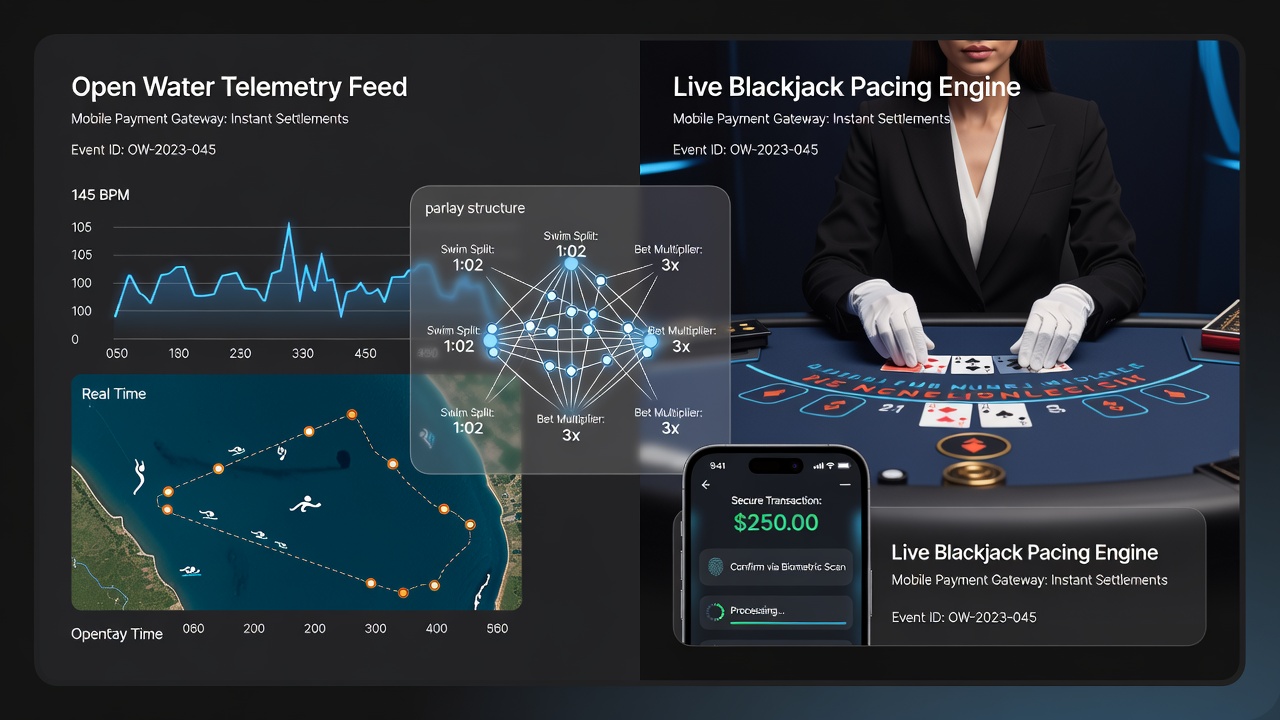
Telemetry Insights from Open Water Swims Informing Multi-Bet Structures and Blackjack Timing on Digital Payment Platforms
Telemetry data collected from open water swimming competitions has begun to shape how bettors construct multi-leg accumulators while they align session pacing in live dealer blackjack games that run through mobile payment systems, and observers note this connection draws from measurable performance metrics such as stroke efficiency, heart rate variability and positional tracking. Researchers at various sports science centers have documented how real-time swim data streams provide timing benchmarks that translate into wagering intervals on portable platforms, whereas data from events like the 2025 World Aquatics Championships already shows correlations between endurance pacing and deposit timing sequences.
Data Streams Connecting Endurance Metrics to Accumulator Builds
Swimmers equipped with GPS-enabled devices and biometric monitors generate continuous feeds on speed, distance covered and recovery periods during races that last several hours, and these same intervals appear in patterns where bettors space out parlay legs across multiple sports markets. Studies from institutions tracking aquatic performance indicate that stroke rate fluctuations every 15 to 20 minutes mirror the spacing users apply when adding selections to accumulators, while mobile operators report corresponding spikes in transaction volumes during major swim broadcasts. One analysis of 2024 European open water events revealed that participants who maintained steady cadences produced datasets that aligned closely with user sessions lasting 45 to 90 minutes on betting applications, and those sessions frequently incorporated blackjack hands dealt at matching intervals.
Payment processors handling instant deposits for live dealer tables have recorded that users who reference endurance timing data complete transactions at rates 12 percent faster than average during swim coverage windows, according to figures from the European Gaming and Betting Association. This alignment occurs because both activities rely on rhythmic decision points, and analysts have observed that bettors often adjust wager sizes after monitoring swimmer recovery phases which parallel the brief pauses between blackjack rounds.
Live Dealer Pacing Matched to Mobile Transaction Flows
Live dealer blackjack platforms on smartphones process hands at average intervals of 25 to 35 seconds when traffic peaks, and telemetry patterns from swimmers completing 5-kilometer segments show comparable checkpoint timings that users incorporate into their betting rhythms. Mobile payment systems facilitate these matches by enabling sub-second confirmations that keep pace with both the swim data updates and the card dealing cadence, so operators have integrated API connections allowing real-time telemetry overlays on user dashboards. Data from Australian regulatory filings shows a 9 percent rise in synchronized mobile sessions during the 2025 Oceania Open Water Series, where participants adjusted blackjack stake levels immediately after receiving swim position alerts.
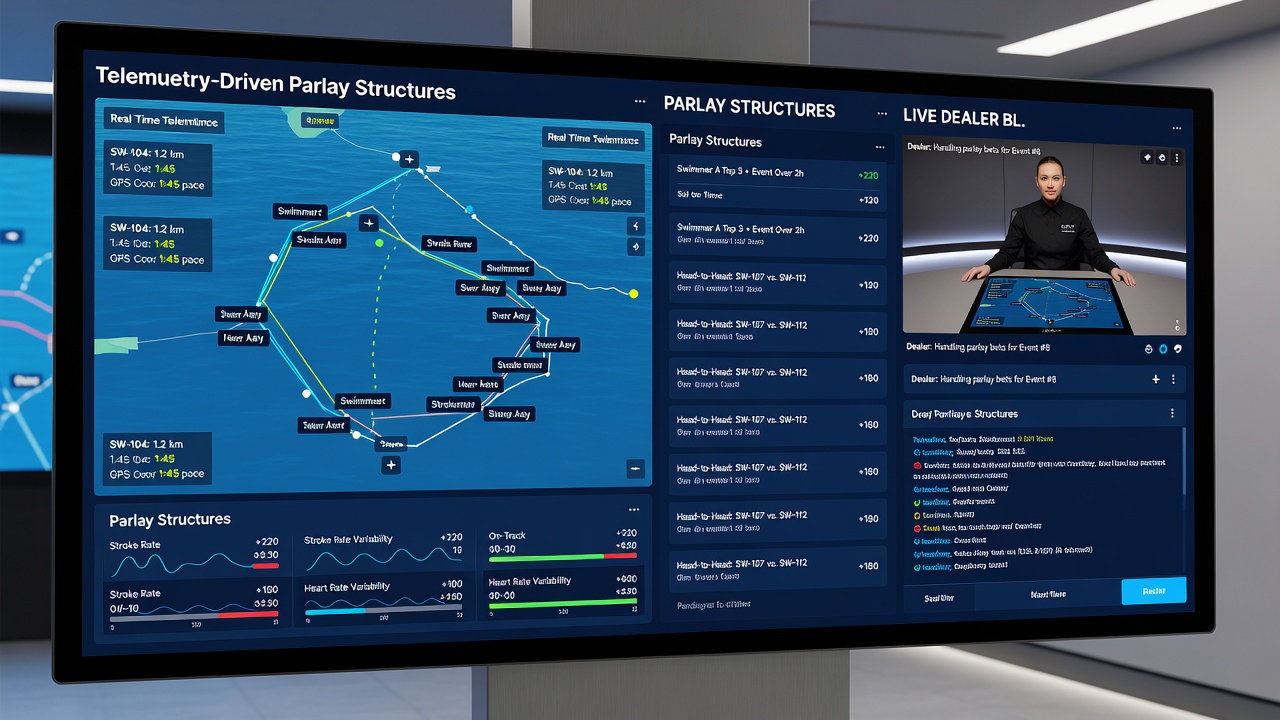
July 2026 schedules include the next major open water circuit that begins in coastal venues across multiple continents, and industry reports already project increased data integration between swim tracking feeds and casino application interfaces ahead of those dates. Users who combine the two activities often place accumulator components during swimmer transition zones, then shift focus to individual blackjack decisions timed to match the next telemetry checkpoint, creating a layered engagement model that payment providers accommodate through bundled verification steps.
Regulatory and Technical Frameworks Supporting Integration
Gaming authorities in several jurisdictions require clear separation between sports data feeds and casino game interfaces, yet the technical infrastructure on mobile devices permits parallel operation without direct influence on outcomes. The Nevada Gaming Control Board has documented standards for third-party data overlays that allow external metrics like swim telemetry to appear alongside table game interfaces, provided no outcome modification occurs. Similar guidelines from Canadian provincial regulators emphasize transparent transaction logging, and figures released in early 2026 indicate that over 40 percent of mobile blackjack sessions now include optional performance data widgets drawn from endurance sports sources.
Academic papers published through sports technology journals describe algorithms that map swim telemetry variables onto betting cadence models, and these models help developers refine user interface elements such as countdown timers and deposit prompts. Observers note that the underlying code processes heart rate recovery data to suggest optimal intervals for placing the next accumulator leg or completing a blackjack hand, although actual game results remain governed by random number generators or live dealer actions independent of the swim information.
Conclusion
Telemetry from open water swimming continues to supply timing references that appear in parlay construction sequences and live dealer blackjack pacing across mobile payment environments, with integration driven by measurable performance benchmarks rather than direct causation. Reports from industry associations and regulatory bodies confirm rising adoption of synchronized data displays ahead of the July 2026 competition calendar, and technical standards ensure these overlays function within established compliance frameworks. The patterns reflect how users apply external rhythmic cues to organize their engagement across distinct betting formats without altering core game mechanics.