Tidal Current Records from International Yacht Races Shaping Layered Wager Sequences in Virtual Card Simulations on Handheld Devices via Encrypted Transfer Networks
Ines Hoffmann · Jul 24, 2026
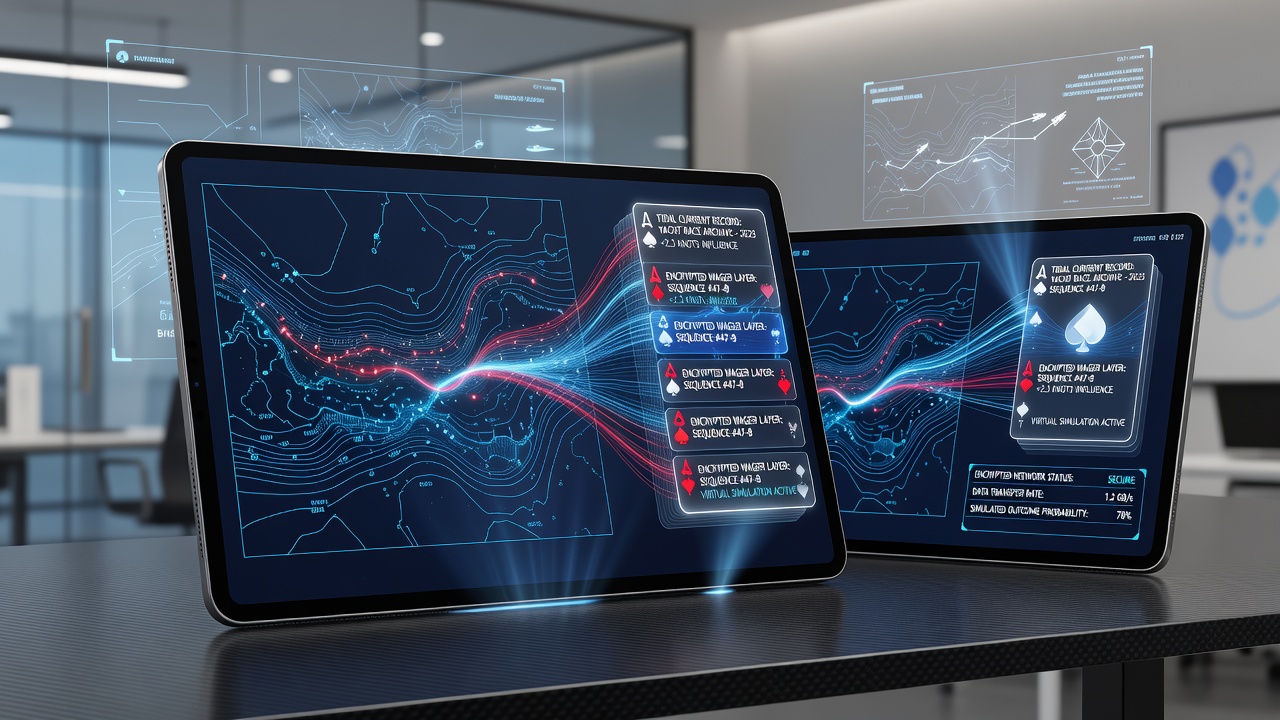
Tidal Current Records from International Yacht Races Shaping Layered Wager Sequences in Virtual Card Simulations on Handheld Devices via Encrypted Transfer Networks
Data from international yacht races has started feeding into the construction of layered wager sequences for virtual card simulations accessed on handheld devices, with encrypted transfer networks handling the movement of these information streams between maritime tracking systems and gaming platforms. Observers note that records of tidal currents, gathered during events like the Volvo Ocean Race and the America's Cup, supply variables such as flow velocity and directional shifts that algorithms then map onto betting structures in digital card environments.
Integration of Maritime Data Streams
International yacht competitions generate extensive datasets on tidal patterns, and these datasets now cross over into virtual card applications where players build multi-stage wagers. Encrypted transfer networks move the information in real time, allowing the simulation engines to adjust sequence parameters based on current speed and water displacement metrics recorded at specific race waypoints. Research indicates that this linkage first appeared in pilot programs during late 2025, with broader rollout occurring by early 2026.
Those who monitor cross-industry data flows report that the process begins with satellite-linked sensors on competing vessels, which capture tidal readings at intervals measured in seconds. The raw figures travel through secure channels to aggregation servers, where they undergo conversion into weighted factors that influence the order and payout multipliers within virtual card sequences. In July 2026 several race organizers released updated datasets from the previous season, and platform operators incorporated these figures into their simulation layers without interruption to user sessions.
Technical Pathways and Network Security
Encrypted transfer networks rely on protocols that segment the tidal information into packets, each tagged with timestamps and geolocation stamps from the original race course. Handheld devices receive these packets through application programming interfaces that sit behind multiple encryption layers, ensuring the data arrives intact before the virtual card engine applies it to wager construction. Figures from industry reports show transfer latency averaging under 800 milliseconds during peak race periods, a speed that supports continuous updating of layered sequences as new current readings arrive.
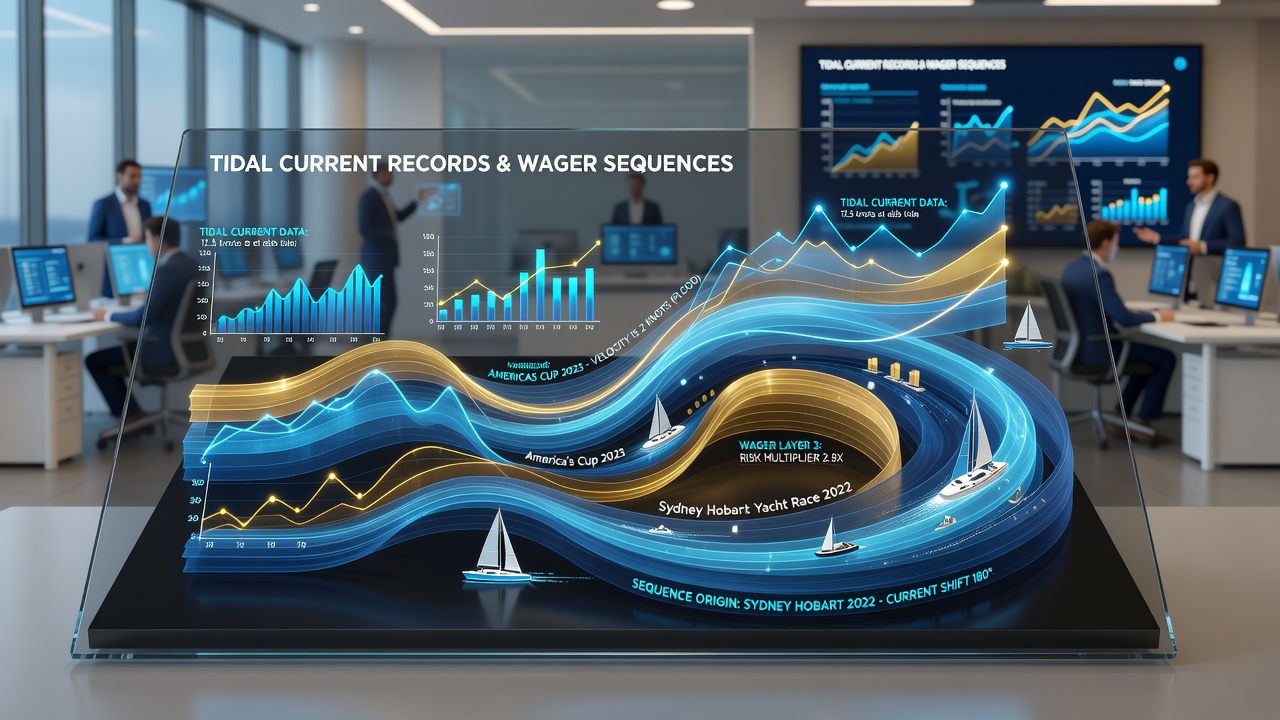
Platform developers have documented cases where a sudden shift in tidal direction recorded off the coast of New Zealand altered the progression order of a five-stage card sequence within the same minute the measurement reached the simulation server. The adjustment occurred automatically, with the encrypted network confirming receipt before the change appeared on player screens. Such instances demonstrate the direct mapping between physical ocean conditions and digital betting mechanics.
Regulatory and Data Governance Context
Gaming regulators in multiple jurisdictions have begun reviewing how external datasets enter virtual card environments. The New Jersey Division of Gaming Enforcement issued guidance in 2026 requiring operators to log the origin and transformation steps of any non-gaming data that affects wager outcomes. Similar requirements appear in documents released by the Australian Gambling Research Centre, which examined the use of maritime records in digital simulations during the first half of 2026. These reviews focus on transparency rather than prohibition, with emphasis placed on audit trails that encrypted networks already maintain.
Industry associations have formed working groups to standardize the format of tidal data packages, ensuring compatibility across different simulation engines. One such group published a technical specification in spring 2026 that defines field names for current velocity, bearing, and measurement depth, allowing consistent translation into the variables that control layered wager progression. Observers note that adoption of this specification has reduced integration time for new race datasets from weeks to days.
Conclusion
The connection between tidal current records from international yacht races and layered wager sequences in virtual card simulations continues to develop through encrypted transfer networks that operate on handheld devices. Data collection methods, transmission protocols, and regulatory oversight have each adapted to accommodate this cross-domain information flow. As race seasons progress and additional datasets become available, the technical infrastructure supporting these sequences maintains the capacity for further refinement while preserving the security and audit requirements already in place.