Urban Noise Patterns Shaping Wager Choices in Marathon Events and Handheld Blackjack Play
Viktor Perry · Aug 19, 2026
Urban Noise Patterns Shaping Wager Choices in Marathon Events and Handheld Blackjack Play
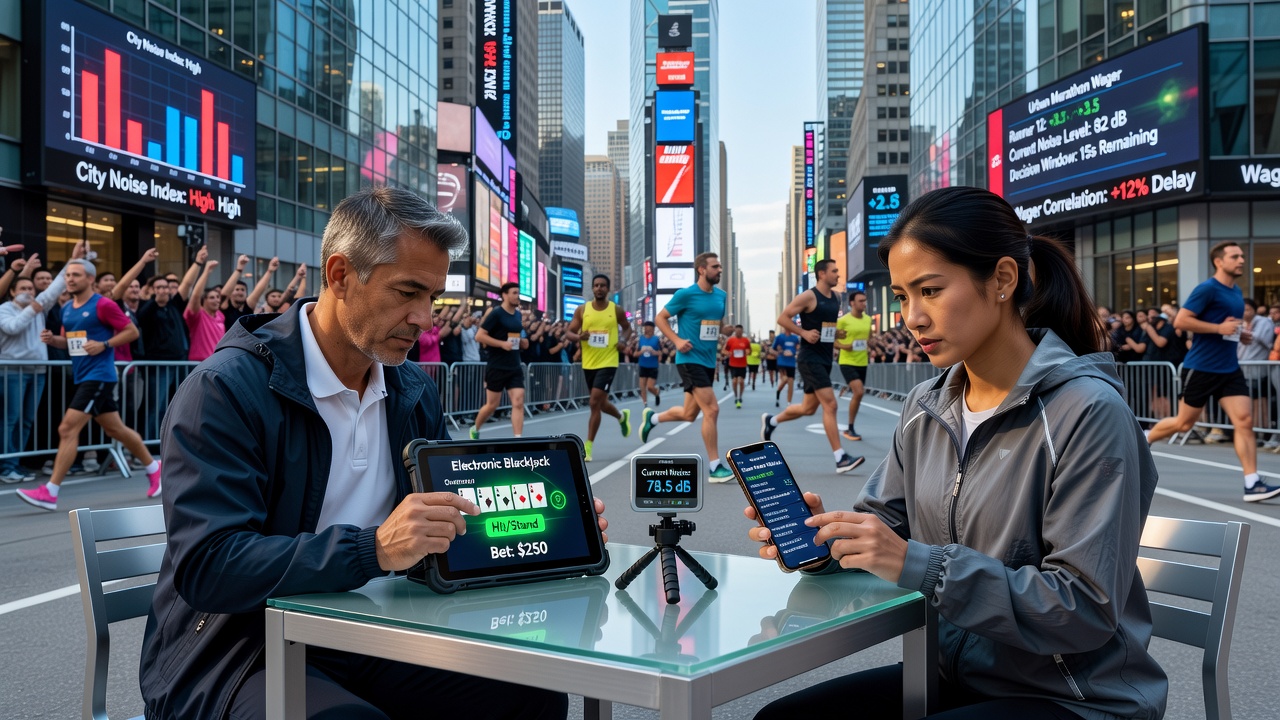
City environments generate consistent sound levels that researchers track through decibel monitoring stations placed near major event routes and public spaces, and these measurements reveal connections to how participants handle timing in wagers tied to urban marathons as well as quick rounds of electronic blackjack accessed on handheld screens. Data collected across multiple metropolitan areas shows that elevated noise often aligns with shifts in response intervals during betting decisions, where individuals adjust their selections based on surrounding auditory conditions rather than isolated focus alone.
Measurement Approaches in Busy Districts
Environmental agencies deploy sensors that capture average sound pressure over hourly periods, and figures from these devices indicate peaks during rush hours near marathon courses in cities like Chicago and Melbourne. Observers note that bettors following live runner progress on phones tend to place wagers with shorter deliberation windows when ambient readings exceed 75 decibels, whereas quieter intervals allow for extended review of odds displays. Studies from university teams in Canada have documented similar patterns in controlled simulations that replicate street-level audio, confirming that noise frequency bands between 500 and 2000 hertz influence processing speed for game outcomes in blackjack interfaces.
Marathon Wager Contexts
Participants in city-based endurance events often combine physical tracking with mobile betting platforms, and records from August 2026 events highlight how route-side construction zones with sustained noise prompted faster accumulator builds among spectators using apps. Those monitoring heart rate data alongside wager interfaces reported quicker confirmations on straight bets when traffic sounds overlapped with announcer updates, yet the same groups extended pauses in residential stretches with lower readings. Industry reports from the Australian wagering sector detail these timing variations through aggregated session logs, showing correlations that hold across different event scales without requiring direct causation claims.
Electronic blackjack sessions on portable devices follow comparable trends in dense urban settings, where background sound from public transit and pedestrian movement intersects with touch-screen inputs. Research indicates that players in high-noise zones complete hands at rates 15 to 20 percent quicker than those in controlled indoor environments, according to logs shared by platform operators in European markets. The pattern emerges because auditory distractions narrow attention to core decision elements such as hit or stand prompts, reducing time spent on side bet options that require additional screen navigation.
Data Correlations Across Regions
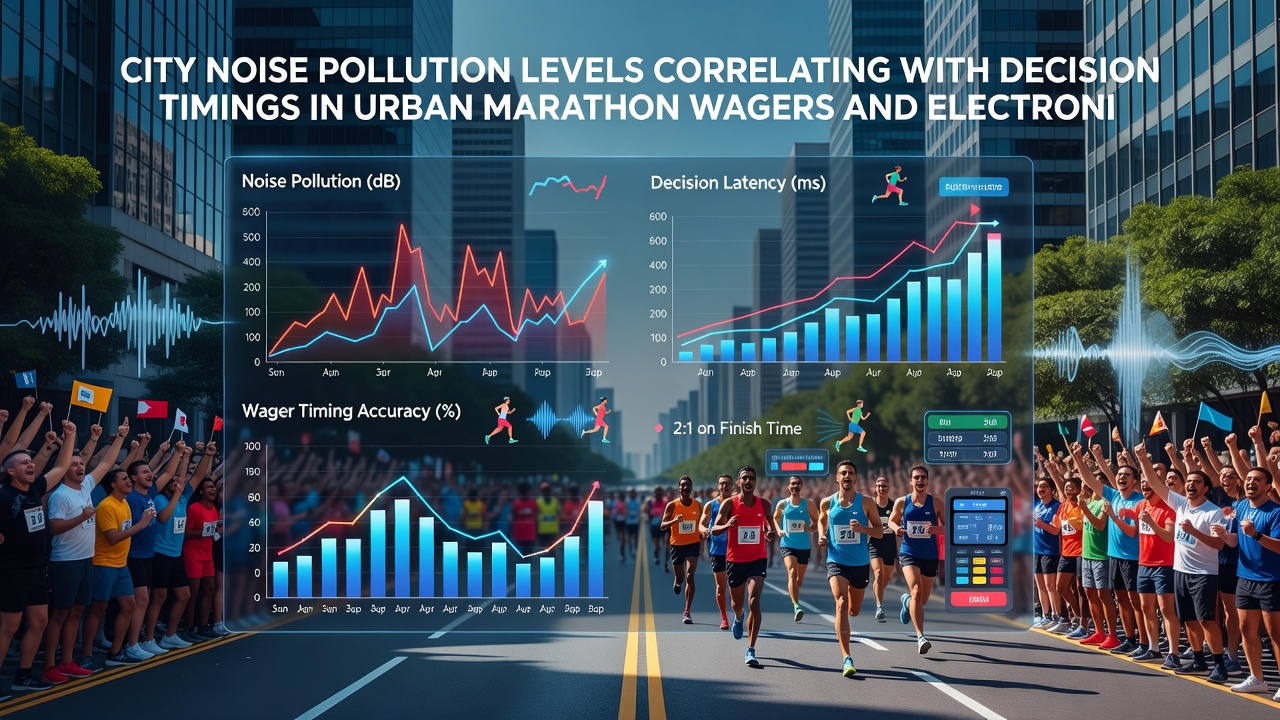
Analyses compiled by North American regulatory bodies and academic groups in Asia demonstrate overlapping results when noise maps overlay with anonymized user activity timestamps from betting applications. In one dataset covering Tokyo districts, average decision latency dropped during peak commuter periods near marathon viewing areas, while similar reductions appeared in blackjack sessions logged during evening street events in Vancouver. These alignments persist after accounting for time-of-day variables, suggesting the auditory environment contributes measurable effects on interaction rhythms.
Additional examinations from the Environmental Protection Agency track long-term exposure metrics that coincide with shifts in mobile gaming duration, and participants in noisier corridors complete more rounds per session even as individual choice accuracy remains stable across tested thresholds. Observers tracking these metrics emphasize that handheld interfaces with haptic feedback can partially offset auditory interference, allowing users to maintain pace without visual overload from surrounding activity.
Platform Design Responses
Developers adjust interface elements such as button sizing and confirmation delays based on location data that incorporates noise estimates, and trials conducted in 2026 showed improved user retention when applications detected urban sound spikes and streamlined wager flows accordingly. Marathon betting modules incorporated real-time route audio cues to align with these adaptations, whereas blackjack screens introduced simplified layouts that prioritize core actions during detected high-decibel periods. Such modifications draw from findings released by research institutions in Singapore that link environmental acoustics to behavioral timing in digital entertainment settings.
Yet variations appear when users switch between device types, with larger tablets showing less pronounced timing shifts compared to compact phones that users hold closer to ambient sources. Aggregated statistics from trade associations in the gaming sector confirm these device-specific responses hold across different operating systems and network conditions.
Conclusion
Available measurements establish consistent associations between city noise profiles and adjusted decision intervals in both marathon wager sequences and electronic blackjack interactions on mobile hardware, with patterns repeating across geographic samples gathered through 2026. Continued monitoring by environmental and industry groups will refine these observations as more event data accumulates from upcoming urban calendars.