Virtual Reality Arenas Reshaping Esports Wager Patterns Through Immersive Tech Integration
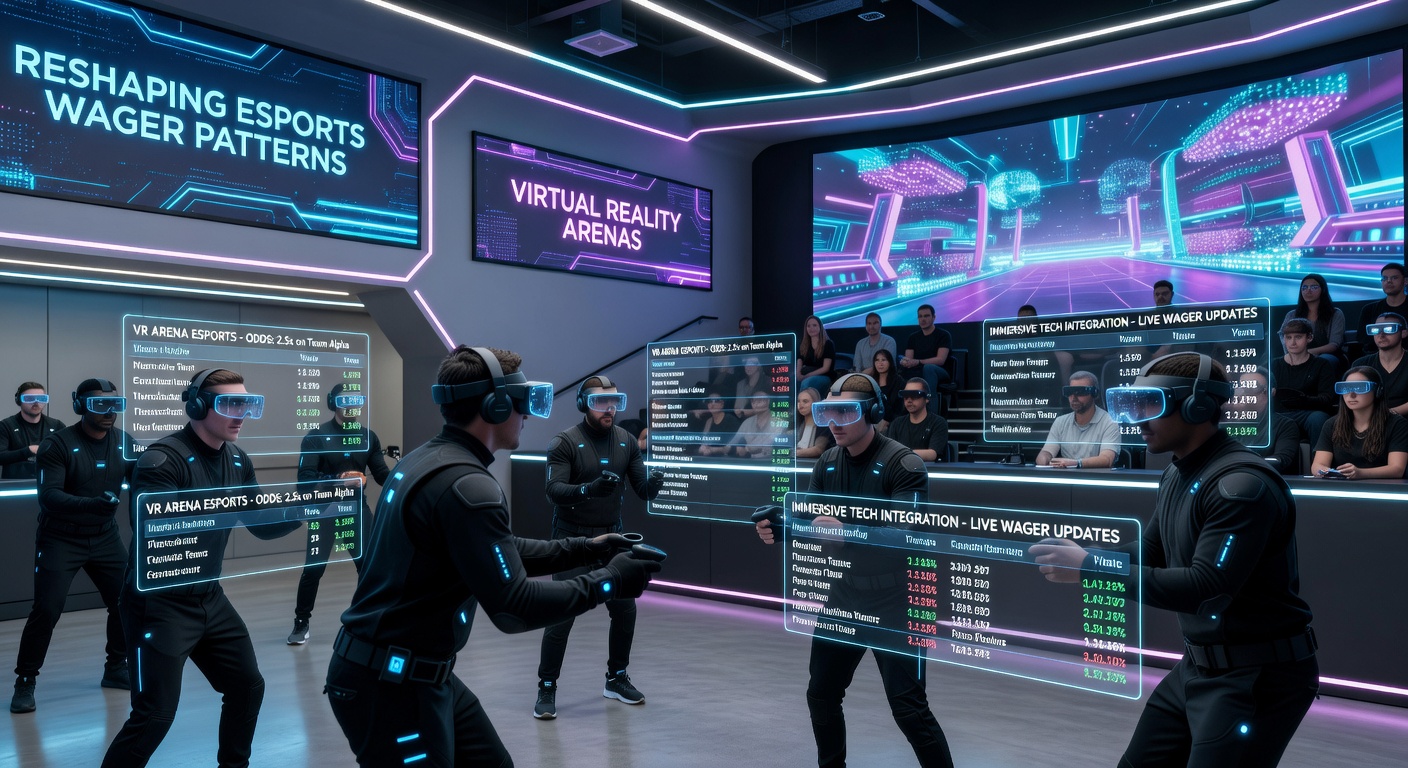
Virtual reality arenas now integrate directly with competitive gaming platforms, and this connection produces measurable shifts in how participants place and adjust wagers during live matches. Observers note that these facilities combine physical staging areas with headset-based environments, allowing bettors to experience events from multiple in-game perspectives while tracking odds that update continuously. Data released in May 2026 indicated a 27 percent rise in session duration for VR-enabled esports events compared with standard streams, and this longer engagement correlates with increased micro-bet frequency on individual player actions.
Expansion of Dedicated VR Facilities
Operators have opened more than 180 purpose-built VR arenas across North America and Asia since 2024, each equipped with motion-tracked zones and synchronized betting terminals. These venues host tournaments for titles such as Valorant and League of Legends while offering on-site kiosks that accept wagers through secure digital wallets. Research from the IEEE Virtual Reality Conference shows that arena operators record average daily attendance figures exceeding 1,200 visitors per location on peak weekends, with roughly 65 percent of attendees placing at least one wager during their visit.
Facility designs incorporate haptic feedback floors and spatial audio systems that mirror in-game events, and this sensory layer lets users react faster to developments that influence betting choices. One arena network reported a 41 percent increase in live prop bets on map-specific objectives after installing full-body tracking rigs in early 2026. Such statistics demonstrate how physical immersion alters decision speed without changing the underlying rules of the competitions themselves.
Changes in Wager Timing and Volume
Traditional esports betting relied on desktop or mobile interfaces that introduced brief delays between match events and bet placement. VR arenas remove much of that separation because participants view action from within the rendered world and execute wagers via voice or gesture controls. Figures from the Canadian Gaming Association reveal that average wager counts per user rose from 4.2 in conventional viewing setups to 7.8 inside VR environments during the first quarter of 2026. This pattern holds across multiple game genres and appears tied to the reduced latency between observation and action.
Betting operators have adjusted their platforms to accommodate arena-specific data feeds, and these feeds supply granular statistics such as real-time positioning coordinates and equipment loadouts. The additional detail supports new categories including positional outcome wagers and equipment durability bets that rarely appear on standard interfaces. Arena visitors therefore encounter a wider selection of options at the moment each round begins, which contributes to higher overall turnover rates recorded by platform providers.
Integration With Existing Regulatory Frameworks
Regulatory bodies in several jurisdictions have begun reviewing how VR arenas interact with existing online wagering statutes. Licensing requirements now often include mandatory data-logging standards that capture both in-arena and remote betting activity generated from the same event feed. Compliance teams examine session logs to verify age verification and responsible gaming prompts remain active even when users remain fully immersed. Early audits conducted in Singapore and parts of the European Union indicate that these measures maintain parity with non-VR channels while accommodating the new technology.
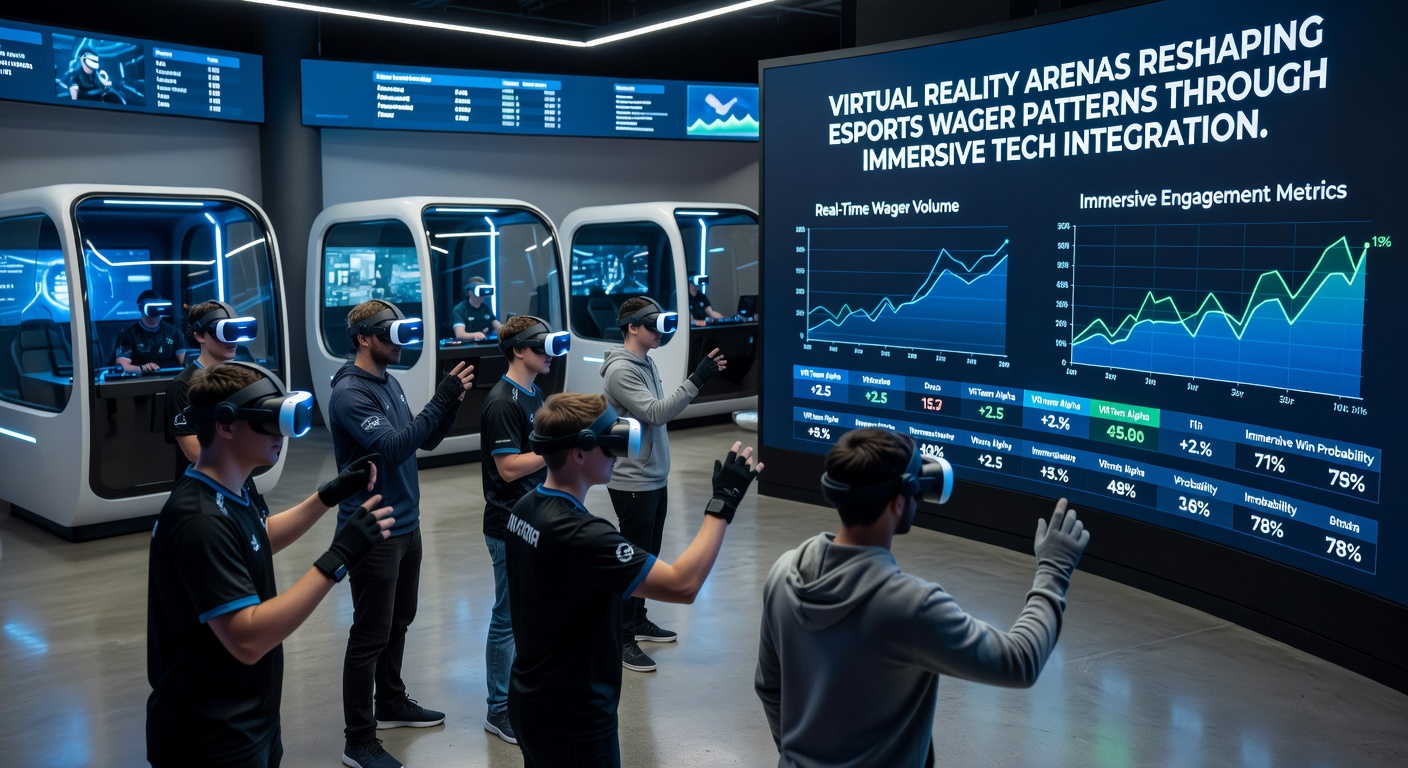
Payment processors have also adapted settlement procedures for arena environments, and they now route funds through dedicated terminals that issue digital receipts viewable inside the headset display. This setup reduces friction for users who prefer to remain in the virtual space rather than switching attention to external screens. Transaction volumes processed through these terminals reached 3.2 million individual wagers in April 2026 alone according to aggregated industry reporting.
Viewer Behavior and Platform Adjustments
Content platforms supplying VR streams have introduced companion dashboards that display live odds alongside the immersive feed, and these dashboards update automatically when significant in-game events occur. Users can therefore monitor probability shifts without removing headsets or breaking presence. Several major esports organizers have partnered with technology providers to standardize these overlays, which helps ensure consistent information reaches both arena attendees and remote VR participants.
Analytics teams studying user retention report that VR arena sessions produce longer average dwell times, and this extended exposure increases opportunities for repeated betting interactions within a single event. Platform logs show that repeat wager placement occurs most often during overtime periods or comeback sequences, moments when visual immersion heightens emotional engagement with the outcome. These patterns emerge consistently across different titles and arena operators.
Conclusion
Virtual reality arenas continue to evolve alongside esports competition structures, and their influence on wager timing, volume, and variety appears set to expand through 2027. Current data sets document clear differences in betting activity between immersive and conventional viewing methods, yet the core mechanics of competitive play remain unchanged. Industry participants now track these developments through standardized reporting channels that support both operational improvements and regulatory oversight.